Lord of the King: A Designer's Real-World Review
As a designer who has spent years navigating the intersection of digital graphics and physical thread, I approach every new machine embroidery design with a critical eye. The market is flooded with files that look stunning on a screen but fall apart under the needle. When I first encountered Lord of the King, my immediate reaction was curiosity. The title suggests grandeur, authority, and perhaps a touch of medieval fantasy, which is a popular niche in the Crafts world. But does this Graphics asset translate into a high-quality finished product? Let's break down how it performs when you move from the digital preview to the actual hoop.
First Impressions: Visual Weight and Mood
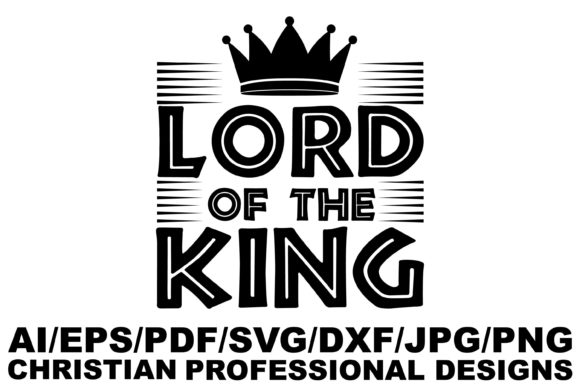
Opening the file for Lord of the King, the first thing that strikes you is the boldness of the silhouette. In the realm of custom apparel, visual impact is everything. This design doesn't whisper; it commands attention. The layout feels balanced, avoiding the common pitfall of being too top-heavy or bottom-light, which can cause fabric distortion during stitching. For an Etsy seller or a small shop owner looking to elevate their brand, the "royal" aesthetic offers a strong hook. It creates an immediate mood of strength and tradition, making it a compelling choice for personalized gifts or boutique merchandise.
However, the true test of any embroidery file is not just the static image, but how the lines interact with the machine's logic. Does the design rely heavily on complex fill stitch patterns that might pucker thin fabrics? Or does it utilize clean satin stitch borders to define the edges? From a preliminary review, Lord of the King appears to have a solid structure, but as always, the devil is in the details. The density of the stitches will determine whether this works best on a heavy denim jacket or a delicate baby onesie.
The Sweatshirt Scenario: Testing Durability and Appeal
To truly evaluate Lord of the King, I imagine a specific use case: creating a premium line of sweatshirt embroidery for a local streetwear brand. Imagine placing this design on the left chest of a heavyweight, heather-grey crewneck. The contrast between the dark thread colors and the textured fabric would likely make the design pop. The "King" theme resonates well with current trends in urban fashion, where bold statements are key.
In this scenario, the design needs to withstand frequent washing without losing its definition. If the stitch density is too low, the design might look sparse after a few washes. If it is too high, the sweatshirt fabric could become stiff and uncomfortable against the skin. Before committing to a full production run, I would strongly advise testing Lord of the King on a scrap piece of similar fleece material. Use a tear-away stabilizer to see if the backing holds up or if the stitches pull through the loops of the knit fabric. This practical step is non-negotiable for any professional looking to maintain customer trust and ensure the longevity of their handmade product.
Navigating Fabric Challenges and Hoop Constraints
While Lord of the King looks promising for apparel, there are specific situations where caution is required. Embroidering on curved surfaces like caps or hats introduces unique challenges. If the design contains fine details or tiny lettering, these elements may get lost or distorted on the curve of a baseball cap. Similarly, applying this design to stretchy fabrics requires careful consideration of the stabilizer type. A cutaway stabilizer might be necessary to prevent the design from warping when the fabric stretches.
Another critical factor is the hoop size. Always check the dimensions of the digital embroidery file before attempting to stitch. If Lord of the King is designed for a large 10x10 inch hoop, trying to force it into a smaller 4x4 inch hoop will result in severe scaling issues, potentially ruining the aspect ratio and legibility of the design. For small shop products like tote bag designs or pillow covers, ensuring the design fits within the available flat surface area is essential. Textured fabrics, such as canvas or linen, can also hide fine details, so it is worth reviewing the design in black and white mockups to assess visibility against different fabric textures.
Commercial Viability and Brand Consistency
For creative entrepreneurs and craft business owners, the value of a design extends beyond aesthetics; it includes commercial viability. Lord of the King offers a distinct visual identity that can help differentiate your small shop product from competitors. However, consistency is key. If you plan to use this design across multiple items—such as embroidered patches, aprons, and holiday gifts—you must ensure the color palette remains consistent. Using the wrong thread colors can drastically alter the intended mood of the piece.
Furthermore, consider the licensing terms. As with any design assets purchased online, confirm whether the license allows for selling finished goods or only personal use. Many designers overlook this, leading to legal complications down the line. If the shop description mentions "100 unique Attractive, Professional and eye-catching design," it implies a focus on quality, but you must verify the specific rights regarding commercial embroidery. Creating printable mockups for your website using this design can also enhance buyer engagement, giving customers a realistic idea of how the final item will look.
Practical Notes for the Stitcher
Before you download and stitch Lord of the King, here are a few practical notes to ensure success:
- Test on Scrap Fabric: Never skip the test run. Stitch the design on a piece of fabric similar to your final project to check for puckering or registration errors.
- Check Thread Contrast: Ensure the thread colors provide enough contrast against your chosen background. Dark designs on dark fabrics often require a bright outline or a lighter fill to stand out.
- Inspect Small Details: Zoom in on the digital file to see if any tiny elements might get clogged by thread tension or fabric nap.
- Use Proper Stabilizer: Match the stabilizer to the fabric weight. Heavyweight fabrics need heavy support, while lightweight knits need flexible backing.
- Verify Licensing: Double-check the terms of use to ensure you are compliant when selling your finished product.
Final Verdict: A Strong Contender for Bold Projects
In conclusion, Lord of the King presents itself as a robust option for those seeking a design with character and presence. Its potential shines brightest in projects that benefit from bold imagery, such as custom apparel, baby embroidery (if scaled appropriately), and holiday embroidery items. While it requires careful handling regarding fabric choice and hoop size, the rewards of a well-executed stitch can significantly boost the perceived value of your work.
For the experienced designer or the ambitious hobbyist, this embroidery project offers a chance to create something memorable. By taking the time to test, adjust, and apply professional techniques, you can transform this digital graphic into a tangible piece of art that customers will love. Whether you are building a portfolio for your craft business or simply crafting a one-of-a-kind gift, Lord of the King has the potential to rule your next collection.