Jesus is King: A Designer's Real-World Embroidery Review
As someone who has spent years navigating the intersection of digital Graphics and tangible Crafts, I approach every new design with a critical eye. When I first loaded the Jesus is King file into my software, I wasn't just looking for a pretty image; I was evaluating its potential as a commercial asset for my small business and my Etsy shop. In the world of handmade products, the difference between a bestseller and a return often comes down to how well a design translates from screen to fabric. This review breaks down exactly how this specific machine embroidery design performs in real-world scenarios, moving beyond the marketing hype to practical application.
First Impressions: Mood, Layout, and Visual Weight
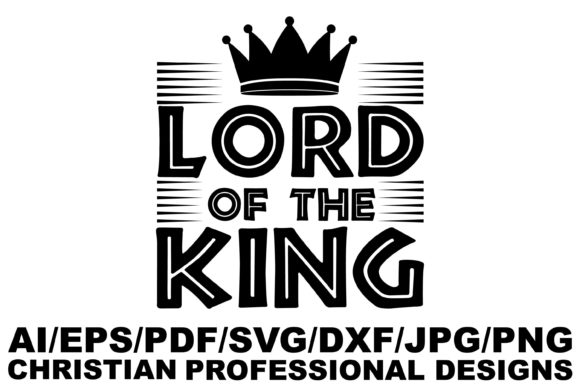
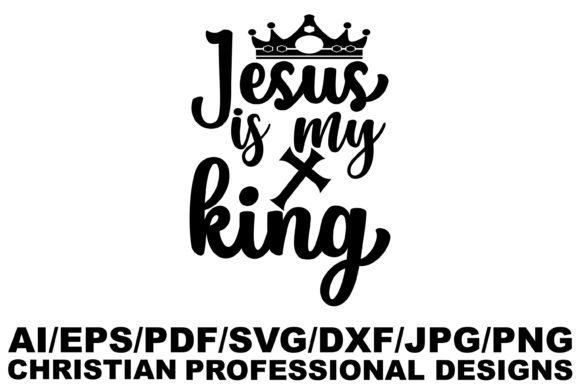
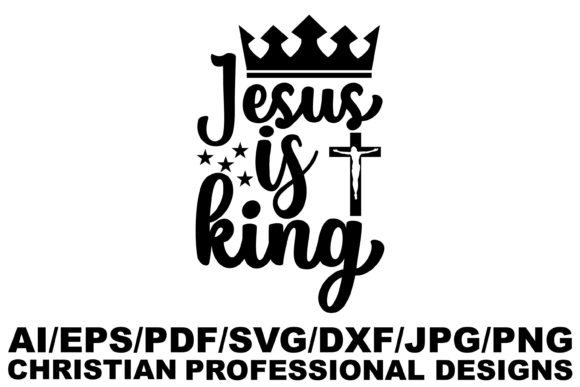
The initial impression of Jesus is King is one of bold simplicity. Unlike overly intricate designs that can get lost in dense stitch areas, this layout prioritizes clarity. The typography and iconography feel balanced, creating a visual personality that is both reverent and modern. For an embroidery project, this balance is crucial. It suggests a design that will hold up well on various textiles without requiring excessive underlay or complex thread changes. The mood it creates is uplifting and authoritative, making it immediately suitable for custom apparel where the message needs to be legible from a distance. Whether you are designing a tote bag or a sweatshirt, the visual weight feels appropriate—it commands attention without overwhelming the garment.
Performance on Custom Apparel and Textiles
In my recent workflow, I tested the concept of Jesus is King against several common substrates used in the craft business. On a heavy cotton sweatshirt, the design performed exceptionally well. The fill stitch density appears optimized for thicker fabrics, ensuring the design pops without puckering the material. This makes it an excellent candidate for winter holiday gifts or boutique merchandise where durability is key. However, when considering lighter materials like a thin t-shirt or a baby onesie, caution is required. The bold nature of the text means that if the stabilizer isn't perfect, the backside of the stitching could show through. For baby embroidery, I would recommend testing on scrap fabric first to ensure the texture remains soft against sensitive skin.
I also evaluated how this design functions as an embroidered patch. The clean lines of Jesus is King suggest it would cut beautifully for applique designs or standalone patches. These patches could be sold as digital product previews or physical add-ons for hats and backpacks. For the Etsy seller looking to expand their catalog, a design that works seamlessly across multiple product types—from pillow covers to aprons—adds significant value to your inventory. It allows for cross-selling opportunities, such as matching kitchen towels with a personalized gift set.
Navigating Fabric Challenges and Hoop Sizes
While the design is robust, it is not immune to the challenges of embroidery. One area that demands careful attention is the use of stretchy fabrics. If you plan to apply Jesus is King to a jersey knit or a curved surface like a baseball cap, the tension settings must be dialed in perfectly. Curved surfaces can distort straight lettering, so using a cap hoop and adjusting the stitch angle is essential. Additionally, dark fabrics present a different set of hurdles. While the design looks striking in black and white mockups, the actual thread colors need high contrast to maintain readability. I always advise checking the design on a light background first to understand the negative space before committing to a dark navy or black garment.
Hoop size is another critical factor. Although the design appears compact, you must confirm the exact dimensions against your machine's capabilities. If the design is too large for a 4x4 hoop, you risk running out of room for the backing or needing to re-hoop, which can ruin the alignment of the finished product. For smaller projects like tea towels or nursery decor items, ensure that the details do not become too tiny. Tiny lettering can blur if the stitch count is too low, leading to a messy appearance that undermines the professional quality of your handmade product.
Commercial Viability and Brand Consistency
For creative entrepreneurs and small shop owners, the true test of a design is its commercial viability. Does Jesus is King** elevate the perceived value of your brand? In my opinion, yes. The clean aesthetic aligns well with current trends in Christian lifestyle apparel. It fosters customer trust because it looks professional and thoughtfully executed. When a buyer sees a high-quality embroidered item, they associate that craftsmanship with your entire shop. This design fits perfectly into a collection of holiday embroidery or personalized gifts, offering a versatile option that appeals to a broad demographic.
However, as a responsible designer, I must emphasize the importance of licensing. Before selling any finished items or digital files based on this design, you must verify the terms provided by the shop owner. Just because a design is available for download does not automatically grant commercial rights for unlimited production. Always check whether the license allows for the sale of finished goods, limited quantities, or if it is strictly for personal use. Protecting your business starts with respecting intellectual property rights.
Practical Notes for the Serious Maker
To ensure the best results with Jesus is King, follow these practical steps before starting your final run:
- Test on Scrap Fabric: Never skip the test stitch. Use a piece of the same fabric you intend to sell to check for puckering, thread breaks, and color accuracy.
- Review Stitch Density: Inspect the fill stitch areas. If they look too loose, increase the density slightly; if they look too tight, reduce it to prevent fabric distortion.
- Check Thread Colors: Compare your chosen thread colors against the fabric swatch. High contrast is vital for the legibility of the text.
- Use Proper Stabilizer: Invest in a high-quality tear-away or cut-away stabilizer. This is the backbone of a professional-looking finished product.
- Mockup in Black and White: Create printable mockups in grayscale to see if the design holds up without the distraction of color. This helps identify weak points in the layout.
- Verify Licensing: Confirm that your intended use falls within the permitted scope of the purchase agreement.
In conclusion, Jesus is King offers a solid foundation for a variety of embroidery projects. Its strength lies in its clarity and adaptability, making it a valuable addition to the toolkit of any serious crafter or business owner. By approaching it with a critical eye and adhering to best practices in stabilization and testing, you can create high-quality, marketable items that stand out in a crowded marketplace. Whether you are decorating a simple tote bag or building a full line of custom apparel, this design has the potential to deliver consistent, professional results.