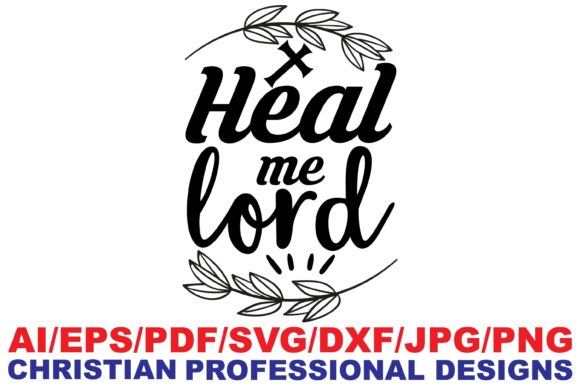
Heal Me Lord: A Designer's Real-World Embroidery Review
As someone who has spent years navigating the intersection of digital Graphics and physical Crafts, I approach every new machine embroidery design with a critical eye. It is not enough for a file to look good on a screen; it must translate seamlessly into thread, stabilizer, and fabric. Today, I am putting Heal Me Lord through its paces. This piece promises to be unique, attractive, and professional, but does it hold up under the scrutiny of a real production run? Let's dive into how this design performs when moved from a digital preview to a tangible finished product.
First Impressions: Mood and Visual Personality
When I first loaded the Heal Me Lord design into my software, the immediate impression was one of quiet strength. Unlike some of the shop's other offerings which lean heavily into "funny designs" or whimsical SVG styles, this piece carries a solemn, comforting weight. The layout appears balanced, suggesting a thoughtful arrangement that respects the negative space around the text and any accompanying iconography. For an embroidery project centered on faith or personal healing, the visual personality needs to be dignified, not cluttered. This design seems to hit that mark, offering a clean aesthetic that would likely resonate well in a boutique setting or as a heartfelt personalized gift.
The shape of the lettering and the overall composition suggest a versatile tool for various applications. Whether you are looking at a simple running stitch outline or a more complex fill stitch area, the flow feels natural. However, as a designer, I always pause to consider the density. If the design relies too heavily on dense satin stitch without proper underlay, it could cause puckering on lighter fabrics. Before committing to a client order, I would definitely test the stitch density on a scrap piece of fabric to ensure the definition remains crisp.
Real-Life Application: From File to Finished Product
To truly evaluate Heal Me Lord, I imagined a specific scenario: creating a line of custom apparel for a small shop product launch. Picture a high-quality cotton tote bag or a soft fleece sweatshirt intended for a church outreach event or a mental health awareness campaign. In these contexts, the message is paramount. When stitched onto a tote bag, the durability of the design becomes crucial. Customers will carry these bags daily, exposing the embroidery to friction and washing.
If I were using this for sweatshirt embroidery, I would place it on the upper left chest or center back. The design's apparent simplicity makes it ideal for these placements where large, intricate details might get lost in the folds of the fabric. For a baby embroidery project, such as a onesie or a nursery pillow cover, the gentle nature of the phrase fits perfectly. Parents often seek meaningful handmade products for their children, and a design like this adds a layer of spiritual protection and love that mass-market items lack.
I also considered its potential as an embroidered patch. Patches are a staple for many Etsy sellers and craft fair vendors because they allow for easy application on denim jackets, backpacks, and hats. If the Heal Me Lord file includes a clean border suitable for trimming, it could become a bestseller in the commercial embroidery sector. The key here is ensuring the edge stitching is secure so the patch withstands repeated wear and tear.
Navigating Challenges: Fabric and Hoop Considerations
While the design looks promising, practical experience teaches us that no machine embroidery design works flawlessly on every surface. There are specific situations where Heal Me Lord requires careful handling. First, consider the hoop size. If the design is wide, attempting to fit it into a small 4x4 inch hoop could result in distortion or the need for multiple hoops, which risks alignment issues. Always confirm the dimensions against your machine's capabilities before starting.
Fabric texture plays a massive role in the final outcome. On smooth cotton or linen, the design should pop beautifully. However, on textured fabrics like heavy canvas or fuzzy fleece, the thread may sink slightly, reducing visibility. Similarly, on stretchy fabrics like jersey knit, the tension can shift during stitching. To combat this, a high-quality stabilizer is non-negotiable. Using a cut-away stabilizer for stretchy items or a tear-away for stable fabrics will make all the difference in maintaining the integrity of the finished product.
Another area of caution involves dark fabrics. If the design uses light thread colors, a backing layer or a specialized adhesive stabilizer might be necessary to prevent the dark fabric from showing through the stitches. Additionally, if the design features tiny lettering or delicate corners, these areas are prone to breaking threads or becoming muddy if the stitch density is too high. I recommend inspecting the digital embroidery file closely to identify any micro-details that might need simplification for better stitchability.
Design Notes for Professional Results
For those of you managing a craft business or selling design assets, here are my top recommendations for working with this type of design:
- Test Run First: Never skip the test stitch. Run Heal Me Lord on a scrap of the exact fabric you plan to use. Check for puckering, thread breaks, and color accuracy.
- Color Contrast: Select thread colors that offer high contrast against the background. A subtle grey on black might look elegant on a screen but disappear on a garment.
- Licensing Check: Before selling finished items or the embroidery file itself, verify the licensing terms. Ensure you have the right to use it for commercial embroidery projects.
- Mockup Verification: Create a printable mockup in both black and white to see how the value and contrast hold up without the distraction of color.
- Stabilizer Selection: Match your stabilizer to the fabric weight. Heavy fabrics need heavy support; light fabrics need lightweight backing to avoid stiffness.
Final Verdict on Value and Appeal
In the competitive world of handmade goods, trust and presentation are everything. A well-executed Heal Me Lord design can significantly boost the perceived value of a product. It signals care, intention, and quality craftsmanship. Whether used for holiday embroidery gifts, wedding favors, or everyday custom apparel, the design has the potential to create a strong emotional connection with the buyer.
However, its success ultimately depends on the maker's attention to detail. By respecting the limitations of different fabrics, choosing the right stabilizer, and testing thoroughly, you can turn this Graphics asset into a standout piece of art. For the small shop owner or the hobbyist looking to expand their portfolio, this design offers a meaningful addition that balances professionalism with personal sentiment. Just remember: the magic happens not just in the file, but in the hands of the embroiderer who brings it to life.