Hello World Cut File: A Designer's Review
As someone who has spent years navigating the intersection of digital design and physical stitching, I approach every new Hello World Cut File with a critical eye. The market is flooded with generic graphics, but finding a piece that translates well from a screen to a finished textile product requires careful scrutiny. When I first opened the zipped folder containing this specific design, my immediate thought was about its potential for baby-themed projects. The description promises a "Baby Funny SVG design," which sets a clear expectation for a lighthearted, playful aesthetic suitable for nurseries and infant apparel.
First Impressions and Visual Personality
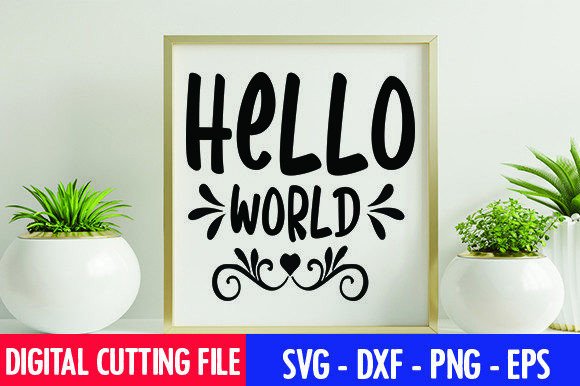
The initial visual impact of the Hello World Cut File is clean and straightforward. In the realm of Crafts, simplicity often wins, especially when dealing with delicate fabrics or small hoop sizes. The layout feels balanced, avoiding the clutter that can ruin an embroidery project on soft materials like cotton or fleece. However, as a professional reviewer, I must note that while the file includes formats like SVG, DXF, PNG, and EPS, these are primarily optimized for cutting machines rather than direct digitizing for embroidery. This distinction is crucial. If you are planning to use this as a template for an applique design, the vector lines in the SVG format will serve you well. But if you expect a ready-to-stitch machine embroidery design with pre-calculated stitch density, you will need to convert it or have it digitized by a professional first.
The mood it creates is undeniably cheerful. It fits perfectly into the category of baby embroidery where the goal is to add a touch of whimsy without overwhelming the garment. For an Etsy seller or a small shop owner looking to expand their inventory with personalized items, this graphic offers a versatile starting point. The text-based nature of "Hello World" suggests a strong typographic element, which can be tricky in embroidery if not handled correctly. Thin serifs or overly complex fonts often get lost in the thread, turning into muddy blobs unless the stitch density is managed expertly.
Real-World Application: From Screen to Stitch
Let's imagine a real-life scenario: You are preparing a custom embroidered tote bag for a local craft fair. The fabric is a sturdy canvas, perfect for holding structure. You decide to use the Hello World Cut File as the centerpiece. Because the design is available in high-resolution PNG and scalable SVG, you can easily visualize how it sits on the bag before committing to any physical work. Using a printable mockup tool, you place the graphic on a virtual tote bag to check the scale. It looks promising, but here is where experience matters.
If you plan to execute this as a cut-out applique using a Cricut or Silhouette machine, the SVG and DXF files are your best friends. You would cut the shape from a contrasting felt or cotton, apply heat transfer adhesive, and then outline it with a satin stitch on your embroidery machine. This hybrid approach often yields the crispest results for bold, fun designs like this one. The satin stitch border adds a professional finish that elevates the item from a DIY hobbyist piece to a boutique-quality finished product.
Alternatively, consider a sweatshirt embroidery project for a new parent. Sweatshirts are thick and textured, which can be unforgiving for dense stitching. If you were to digitize the Hello World Cut File directly for fill stitching, you would need to ensure the stitch count isn't too high. Too much thread on a heavy knit can cause puckering, distorting the fabric and ruining the drape. In this case, breaking the design down into smaller sections or opting for a running stitch outline might preserve the integrity of the garment better than a solid fill.
Navigating Fabric and Hoop Challenges
Not every surface is created equal, and the Hello World Cut File demands respect for material limitations. When working with textured fabrics like linen or ribbed knits, the clarity of the text in this design could suffer. The texture of the fabric fights against the smoothness of the thread, potentially making the letters hard to read. Similarly, on stretchy fabric, the tension required for embroidery can warp the design if the correct stabilizer is not used. I always recommend testing the design on scrap fabric first. This simple step can save hours of frustration and wasted thread.
Small hoop sizes present another challenge. If you are attempting to fit this design onto a cap or a sock, the lettering might become too small to stitch cleanly. Tiny details in Graphics often disappear when scaled down. In such cases, simplifying the design or choosing a larger application area, like a pillow cover or a kitchen towel, is a wiser move. These larger surfaces allow the design to breathe and showcase its personality without compromising legibility.
Dark fabrics also require special attention. The Hello World Cut File appears light in the preview images, which means it will likely require a backing layer of white thread or a tonal underlay to pop against navy blue or black garments. Without this contrast, the design will look washed out and unprofessional. Checking your thread colors against the fabric background in natural light is a non-negotiable step for maintaining quality.
Business Value and Commercial Considerations
For the creative entrepreneur or digital product seller, understanding the commercial viability of this asset is key. The Hello World Cut File has strong potential for personalized gifts and holiday merchandise. Think of Christmas stockings, Valentine's Day patches, or birthday banners. The phrase itself is universally understood, making it a safe bet for broad appeal. However, before listing items for sale, you must confirm the licensing terms. Just because you purchased the digital file does not automatically grant you the right to sell the physical goods made from it. Always review the license agreement included in the download to avoid legal pitfalls.
In terms of brand consistency, this design works well for shops that focus on modern, minimalist, or playful aesthetics. It pairs nicely with other design assets that feature clean lines and bold typography. For an apparel decorator, having a reliable library of such graphics ensures that client orders are fulfilled quickly and with high visual appeal. Customers trust businesses that deliver crisp, well-executed stitching. A messy or poorly planned embroidery job can damage that trust instantly.
Practical Designer Notes for Success
To get the most out of the Hello World Cut File, follow these practical steps:
- Test First: Always run a test on scrap fabric to check for puckering and thread breakage.
- Check Contrast: Ensure your thread color stands out against the fabric, especially on dark backgrounds.
- Verify Stabilizer: Use a tear-away or cut-away stabilizer appropriate for your fabric weight to prevent distortion.
- Review Density: If digitizing yourself, keep the fill stitch density moderate to avoid stiffness.
- Mockup in B&W: Test the design in black and white to see if the shapes hold up without color cues.
- Licensing Check: Confirm you have the right to sell finished products before launching your craft business listings.
Ultimately, the Hello World Cut File is a versatile tool in the hands of a skilled maker. While it may require some extra steps to transition from a cut file to a stitched masterpiece, the end result can be a charming addition to any nursery collection or gift line. By respecting the limitations of the medium and applying professional techniques, you can turn this simple graphic into a standout handmade product that customers will love.