Little Honey Bunny: A Designer's Real-World Review
As someone who has spent years navigating the delicate balance between digital art and physical thread, I approach every new machine embroidery design with a critical eye. When I first opened the file for Little Honey Bunny, my immediate goal wasn't just to see a cute graphic; it was to evaluate how this embroidery file would translate into a tangible, sellable product. In the world of handmade goods, a design that looks perfect on a screen can sometimes struggle under the needle. So, let's dive into what makes this Easter design stand out and where you need to exercise caution before stitching your next batch.
First Impressions: Mood and Visual Personality
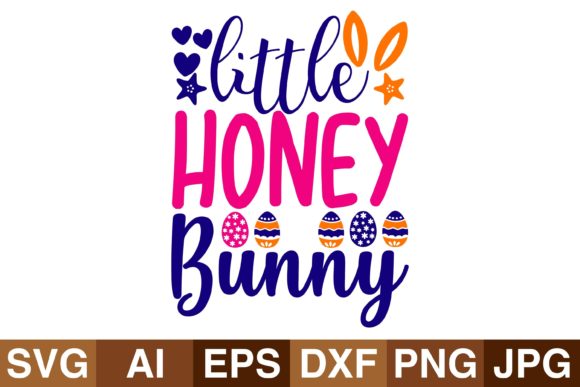
The moment Little Honey Bunny loads into my digitizing software, the mood is immediately established. It is undeniably cheerful, soft, and perfectly timed for the spring season. The shape is rounded and approachable, avoiding sharp angles that often cause puckering in fill stitch areas. For an apparel decorator or an Etsy seller looking to refresh their shop with seasonal items, this graphics asset offers a classic "sweet" aesthetic that appeals to a wide demographic. It feels like a design meant for nursery decor, baby gifts, or light-hearted custom apparel.
However, visual appeal is only half the battle. The layout suggests a moderate level of detail. It isn't so sparse that it looks unfinished, nor is it so dense that it will overwhelm a lightweight fabric. This balance is crucial for maintaining the integrity of the finished product. The bunny's features are distinct enough to be recognizable even when scaled down slightly, which is a significant plus for versatility.
Testing the Design: A Real-World Scenario
To truly understand the potential of Little Honey Bunny, I imagined a specific project: creating a line of personalized tote bags and organic cotton sweatshirts for a local craft fair. These are high-volume items where consistency and durability matter. If I were to place this tote bag design on a natural canvas, the contrast of the thread colors against the beige background would likely pop beautifully, assuming the right palette is chosen.
In this scenario, the satin stitch outlining the bunny's ears and face would provide a professional sheen that elevates the perceived value of the item. Customers browsing a booth or scrolling through an online store often judge quality by the crispness of the edges. Little Honey Bunny seems well-suited for this, offering clean lines that should hold up well without excessive bulk. For a small business owner, using a design that looks premium right out of the hoop can significantly boost buyer engagement and trust.
I also considered using it as an embroidered patch for denim jackets. The sturdy nature of the design means it could handle the density required for a patch backing without losing definition. Whether it's a holiday gift or a staple craft business item, the design's personality shines through in these applications.
Navigating Fabric Challenges and Technical Nuances
While Little Honey Bunny is versatile, no design is a magic bullet for every situation. As a professional reviewer, I must highlight where this digital embroidery file requires careful handling. First, consider the hoop size. If you attempt to shrink this design too much for a small cap or a baby sock, the fine details in the eyes or nose might get lost in the stitch density. Always check the minimum recommended size before scaling.
Fabric texture is another critical factor. On a smooth cotton tee, the design will look crisp. However, if you are working with textured fabrics like heavy fleece or slub linen, the running stitch elements might not catch the fabric evenly, leading to a slightly fuzzy appearance. Similarly, on stretchy fabrics like jersey knit, the tension from the stitches could cause the material to pucker around the bunny's outline unless you use a cutaway stabilizer specifically designed for knits.
Dark fabrics present their own challenge. While the design itself is lovely, placing a light-colored bunny on black fabric requires a solid underlay of white thread. Without this foundation, the colors of Little Honey Bunny may appear dull or muddy. Always test your thread colors on a scrap piece of the actual fabric you intend to use. This simple step saves hours of frustration and wasted materials.
Practical Notes for the Serious Maker
If you are planning to integrate Little Honey Bunny into your commercial workflow, here are my essential notes for success:
- Test on Scrap Fabric First: Never skip the test run. Stitch the design on a spare piece of the exact fabric and stabilizer combination you plan to use for the final order. Check for registration issues and thread breaks.
- Review Stitch Density: Examine the fill areas closely. If the density is too high, it can make the fabric stiff. If it's too low, the backing might show through. Adjustments may be needed depending on your machine.
- Confirm Licensing: Before selling any handmade product featuring this design, verify the license terms. Ensure you have the right to sell finished goods versus reselling the embroidery file itself.
- Mockup Verification: Use printable mockups to visualize the design on different products. Seeing it on a pillow cover or apron digitally helps you anticipate how customers will perceive the scale and placement.
- Check Small Details: Inspect tiny elements like whiskers or inner ear details. On some machines, very short jumps can cause bird nests or thread tangles. You may need to add pull compensation.
Impact on Brand Consistency and Product Value
For creative entrepreneurs, every design choice contributes to brand identity. Little Honey Bunny brings a sense of warmth and professionalism that can enhance a boutique's reputation. When a customer receives a personalized gift with a cleanly stitched, well-executed design, it reinforces their trust in your craftsmanship. Conversely, a poorly executed stitch job can damage that relationship instantly.
This design fits seamlessly into a collection of baby embroidery items or spring-themed holiday embroidery collections. Its charm is timeless, making it a reliable asset for commercial embroidery projects that need to appeal to a broad audience. Whether you are decorating kitchen towels, pillow covers, or custom apparel, the design adds a touch of whimsy that feels both modern and nostalgic.
Final Verdict for Crafters and Business Owners
Ultimately, Little Honey Bunny is a strong contender for your Crafts inventory, provided you respect its technical requirements. It is not merely a Graphics file; it is a tool for creating memorable, high-quality goods. By taking the time to test it properly, selecting the right stabilizer, and choosing appropriate fabrics, you can turn this digital asset into a standout small shop product.
For those looking to expand their offerings with attractive, professional designs, this bunny offers a solid foundation. Just remember, the magic happens not just in the file, but in the execution. Take your time, prepare your workspace, and let the thread do the talking. With the right care, Little Honey Bunny can become a bestseller in your portfolio, delighting customers with its charm and precision.