Mama Bunny Easter: A Designer's Real-World Review
As a professional embroidery designer who has spent years turning digital files into tangible, sellable products, I approach every new machine embroidery design with a critical eye. It is not enough for a file to look good on a screen; it must translate flawlessly onto fabric, withstand the rigors of washing, and elevate the perceived value of the finished product. Today, I am putting Mama Bunny Easter through its paces. This isn't just another graphic in a crowded marketplace; it is a potential centerpiece for your spring collection, and we need to understand exactly how it performs before you commit to a production run.
The First Impression: Mood and Visual Personality
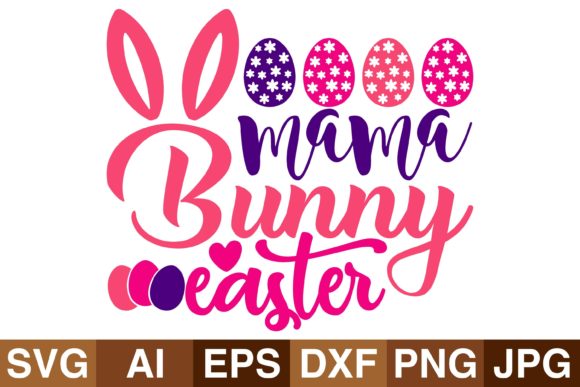
When I first opened the digital embroidery file for Mama Bunny Easter, the immediate feeling was one of warmth and nostalgia. The design leans heavily into the classic Easter aesthetic but avoids the trap of looking generic or overused. The layout suggests a balanced composition that would work beautifully as a focal point on a tote bag or the chest of a sweatshirt. The visual personality is soft yet defined, which is crucial when dealing with holiday themes that can easily become cluttered.
In the realm of Crafts, where the handmade touch is paramount, this design strikes a chord. It feels like something a customer would want to gift—a personalized item that carries sentiment rather than just decoration. The lines appear clean, suggesting that the stitch density is likely optimized for clarity without excessive bulk. However, as any experienced maker knows, what looks perfect in a printable mockup often reveals its true character only after the needle hits the fabric.
Testing the Design in Real-Life Scenarios
To truly evaluate Mama Bunny Easter, I imagined integrating it into a real project: a custom embroidered apron for a boutique kitchenware shop. In this scenario, the design sits prominently on the bib area. Here, the fill stitch areas would need to be substantial enough to hold their shape against the movement of the wearer, while the satin stitch outlines provide that crisp, professional finish that separates a hobbyist from a pro.
I also considered its application on custom apparel, specifically a baby onesie or a toddler's sweatshirt. For baby embroidery, the stakes are higher because the fabric is delicate and the end-users are sensitive to texture. If the design relies too heavily on dense stitching, it could irritate a child's skin. Mama Bunny Easter seems to offer a level of detail that is engaging without being overwhelming, making it a strong candidate for holiday embroidery on nursery decor items like pillow covers or tea towels.
For the Etsy seller or small business owner, the versatility of this graphics asset is key. Imagine using it to create an embroidered patch for a limited-edition collection. Patches allow you to apply the design to various items—from denim jackets to canvas caps—without worrying about the specific fabric constraints of each garment. The design's distinct silhouette ensures it remains recognizable even at smaller scales, which is vital for maintaining brand consistency across different merchandise.
Navigating Fabric and Hoop Challenges
While Mama Bunny Easter shows great promise, there are specific scenarios where caution is required. Embroidery is as much about physics as it is about art. When working with textured fabrics like heavy wool or ribbed knit, the intricate details of the bunny might get lost in the weave. Similarly, on stretchy fabric, such as jersey used for t-shirts, the design requires a robust stabilizer to prevent puckering. Without proper backing, the tension from the running stitch and fill areas could distort the shape of the bunny, ruining the professional look.
Hoop size is another critical factor. If you attempt to force this design into a hoop that is too small, you risk distorting the proportions. Conversely, if the design is scaled up too large for a wide tote bag design, you may encounter issues with thread breakage or uneven coverage in the lighter color sections. Always check the recommended dimensions provided by the shop owner. If the file does not specify these details, it is imperative to test the design on scrap fabric first to determine the optimal scale.
Dark fabrics present their own set of challenges. While Mama Bunny Easter is visually striking, applying it to black or navy blue garments requires careful consideration of thread colors. You will likely need to adjust the underlay stitches to ensure the top colors pop. A design that looks vibrant on a white background might appear muddy on dark material if the contrast is not managed correctly during the digitizing process.
Impact on Product Value and Customer Trust
For the creative entrepreneur, the quality of your design assets directly influences buyer engagement. A well-executed Mama Bunny Easter project signals attention to detail. Customers buying a personalized gift or a piece of handmade product are paying for the craftsmanship. If the stitching is loose, the colors bleed, or the shape is distorted, it erodes trust immediately. On the other hand, a crisp, well-balanced embroidery elevates the perceived value of the item, allowing you to command a higher price point.
This design fits perfectly into the narrative of a curated small shop product line. It speaks to the season without shouting, offering a subtle nod to the holidays that feels timeless rather than disposable. Whether you are creating commercial embroidery for a corporate event or unique pieces for a craft fair, the ability to produce consistent, high-quality results is what builds a loyal customer base.
Practical Notes for the Professional Maker
Before you finalize your order or start your machine, follow these essential steps to ensure success with Mama Bunny Easter:
- Test on Scrap Fabric: Never skip this step. Stitch out the design on a piece of the actual fabric you intend to use. Check for puckering, thread breaks, and alignment.
- Review Stitch Density: Look closely at the file settings. Areas that are too dense can cause fabric distortion, while sparse areas may show the backing.
- Confirm Licensing: As with any digital product, verify the terms of use. Ensure you have the right to sell finished goods or distribute the file if you plan to offer it as a digital embroidery file download.
- Check Color Contrast: Compare the design against both light and dark fabric backgrounds. Adjust thread choices if necessary to maintain visibility.
- Use Proper Stabilizer: Invest in a high-quality cutaway or tear-away stabilizer depending on the fabric type. This is non-negotiable for professional results.
- Inspect Small Details: Zoom in on the eyes, ears, and any text elements. Tiny lettering or fine lines often require manual adjustment in your embroidery software.
Mama Bunny Easter offers a delightful opportunity for designers to showcase their skills in the Crafts category. By approaching it with a practical mindset and respecting the technical demands of embroidery, you can transform this graphics file into a standout product that resonates with customers and strengthens your brand. Remember, the difference between a good design and a great product lies in the execution.