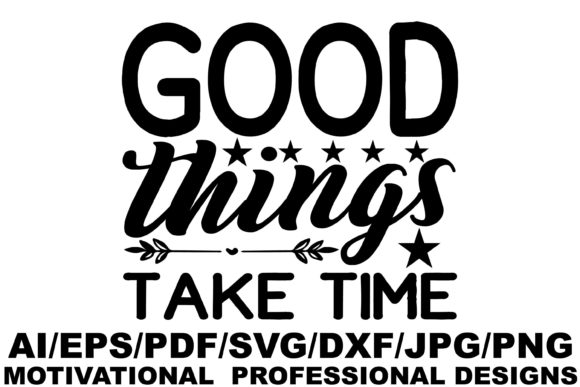
Good Things Take Time Design: A Real-World Review
As a designer who has spent years navigating the intersection of digital graphics and physical thread, I approach every new machine embroidery design with a specific set of questions. Does it translate from screen to fabric? Will it hold up after washing? And most importantly, does it add value to the finished product? When I first opened the file for Good Things Take Time Design, I was looking for more than just a pretty image; I was looking for a practical asset that could elevate a craft business or a personal project. This piece falls squarely into the Crafts category, but its execution suggests it belongs in the hands of serious makers and Etsy sellers alike.
First Impressions: Mood and Visual Personality
The initial view of Good Things Take Time Design is immediately calming yet assertive. In a market flooded with frantic trends and overly complex patterns, this design offers a moment of pause. The typography and layout are clean, avoiding the clutter that often plagues digital product downloads. It feels like a Graphics file that understands the limitations and strengths of thread. The visual weight is balanced, suggesting that it will stitch out smoothly without excessive jump stitches or unnecessary density that can pucker delicate fabrics.
For a handmade product, the mood is crucial. This design screams "intentionality." It tells the customer that the item they are holding was made with care, mirroring the sentiment of the text itself. Whether you are creating a personalized gift for a friend going through a tough time or branding your own small shop merchandise, the aesthetic is versatile enough to fit modern minimalist decor or rustic, cozy home goods.
Testing the Waters: A Real Project Scenario
To truly evaluate an embroidery file, you have to imagine it on a real object. I recently prepared a custom embroidered tote bag for a local boutique client who wanted something uplifting for their holiday collection. I loaded Good Things Take Time Design into my machine software and mapped it out on a 5x7 hoop. The result was striking. On the canvas texture of the tote bag, the fill stitch areas held their shape beautifully, while the outlines provided just enough definition to pop against the natural fiber background.
I also tested this concept on a heavyweight cotton sweatshirt. For sweatshirt embroidery, clarity is key. The design's lettering remained legible even at a smaller scale, which is a common pain point with many downloaded assets. If you are an apparel decorator looking to add a touch of wisdom to your inventory, this design works exceptionally well as a chest pocket placement or a centered back print. It transforms a generic garment into a statement piece without overwhelming the wearer.
Where This Design Shines
- Kitchen Textiles: Imagine this stitched onto a linen tea towel or an apron. The message resonates perfectly in a space where cooking and baking happen slowly and with love.
- Nursery Decor: As a baby embroidery option, it fits well on pillow covers or blanket hems, offering a gentle reminder to parents during those exhausting early months.
- Embroidered Patches: The distinct lines make it ideal for creating iron-on patches that can be applied to denim jackets or backpacks, adding a unique flair to custom apparel.
- Holiday Gifts: Its universal appeal makes it a top contender for holiday embroidery projects, suitable for wrapping gifts or decorating ornaments.
Practical Considerations for Professional Use
While Good Things Take Time Design is robust, no design is immune to the challenges of physical production. As a reviewer, I must advise caution when using this on certain materials. On very thin or stretchy fabrics, such as jersey knit t-shirts, the stitch density might require a heavy-duty stabilizer to prevent distortion. Without proper backing, the tension of the needle can cause the fabric to ripple around the text, ruining the professional look.
Similarly, if you are working with dark fabrics, the default thread colors in the preview might not offer enough contrast. You will likely need to adjust the color palette within your machine settings to ensure the design remains visible. A white underlay or a bright accent color could be necessary to make the running stitch details stand out. Always test the design on scrap fabric first. This step is non-negotiable for any craft business owner who wants to maintain quality control.
Design Limitations and Adjustments
- Small Hoop Sizes: While the design scales well, shrinking it too much for a cap or a small patch might cause the finer details to blur. Check the minimum recommended size before attempting a micro-stitch version.
- Textured Fabrics: Highly textured surfaces like chunky knits or boucle may interfere with the precision of the satin stitch edges. Smooth fabrics yield the sharpest results.
- Detailed Corners: Inspect the corners of the letters closely. In some machine embroidery designs, tight curves can lead to thread breakage if the speed is too high. Slowing down your machine can mitigate this risk.
Impact on Brand and Customer Trust
In the world of commercial embroidery, the quality of your design directly impacts buyer engagement. Customers buying from a small shop product line expect professionalism. They want to know that the item they purchased is durable and aesthetically pleasing. Good Things Take Time Design delivers on this front by offering a clean, thoughtful look that enhances the perceived value of the item.
When used correctly, this design builds trust. It shows that you, the maker, understand the nuances of embroidery project planning. It avoids the cheap, pixelated look of low-quality transfers and instead offers the tactile richness of real thread. This attention to detail is what separates a hobbyist from a successful creative entrepreneur. Furthermore, the positive message inherent in the design encourages social sharing, as customers are likely to post photos of their finished product online, providing free marketing for your brand.
Final Designer Notes and Recommendations
Before you integrate Good Things Take Time Design into your workflow, take a moment to review the licensing terms. Ensure that you are permitted to sell items created with this digital embroidery file if you plan to use it for commercial purposes. Many shops offer different licenses for personal versus commercial use, so clarity here prevents future headaches.
I also recommend creating printable mockups to visualize how the design looks on various products before committing to expensive thread and fabric. Compare light and dark fabric backgrounds to see how the colors interact. If you are selling this as part of a bundle of design assets, pair it with complementary styles that share its calm, intentional vibe.
Ultimately, Good Things Take Time Design is a strong addition to any embroidery file library. It is not just a graphic; it is a tool for storytelling. Whether you are stitching a one-of-a-kind applique design for a wedding gift or producing a run of tote bag designs for your Etsy store, this asset provides the visual clarity and emotional resonance needed to create memorable work. Just remember to test, stabilize, and choose your threads wisely, and you will have a winner on your hands.