Enjoy Little Things Design: A Real-World Review
As a designer who has spent years navigating the intersection of digital Graphics and physical Crafts, I approach every new asset with a critical eye. The market is flooded with generic patterns, so finding a piece that truly resonates with the ethos of handmade creation is rare. When I first encountered the Enjoy Little Things Design, my initial reaction was one of quiet appreciation. It does not scream for attention; instead, it whispers a sentiment that modern consumers are craving. In an era of fast fashion and disposable goods, this design offers a gentle reminder to slow down, making it a potent tool for anyone building a brand around mindfulness and quality.
The First Impression: Mood and Visual Weight
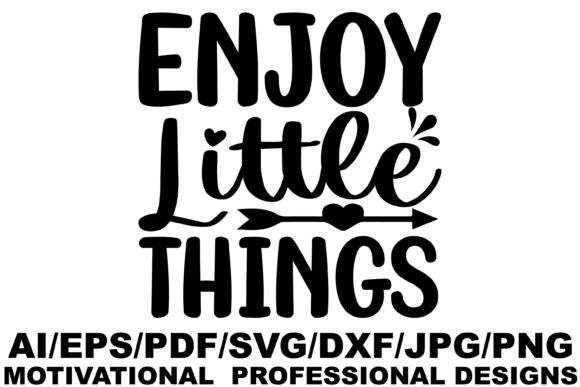
Visually, the Enjoy Little Things Design strikes a delicate balance between simplicity and character. The layout feels organic, avoiding the rigid symmetry that often plagues mass-produced machine embroidery design assets. The typography, if present, or the illustrative elements possess a softness that suggests they would translate beautifully into a mix of satin stitch for definition and fill stitch for texture. What stands out immediately is the visual personality; it feels like something you would want on a kitchen towel hanging in a sunlit window or embroidered onto the chest of a cozy sweatshirt.
However, as a professional reviewer, I know that a pretty image on a screen does not guarantee a successful finished product. The true test lies in how the design behaves when translated from pixels to thread. Does the line weight hold up? Are there tiny details that might get lost in the weave of the fabric? With Enjoy Little Things Design, the composition appears robust enough to withstand the translation process, provided the digitization is handled with care. The negative space seems well-managed, which is crucial for preventing puckering on thicker materials.
Testing the Waters: A Real-Life Scenario
To truly evaluate this asset, I imagined a specific project: creating a limited run of personalized tote bags for a local boutique. These bags need to be durable, stylish, and instantly recognizable as a high-quality handmade product. If I were to use the Enjoy Little Things Design here, I would envision placing it centrally on a natural canvas tote. The neutral tones of the bag would allow the design to pop without overwhelming the viewer. The message "Enjoy Little Things" pairs perfectly with the tactile nature of canvas, reinforcing the idea of carrying everyday essentials with intention.
In this scenario, the design becomes more than just decoration; it becomes a conversation starter. Customers picking up these bags at a craft fair or browsing an Etsy seller shop would likely connect with the sentiment. The design elevates a simple commodity into a meaningful gift. For a small business owner, this kind of emotional connection is invaluable. It transforms a standard tote bag design into a branded experience that customers want to share on social media, effectively driving organic engagement and trust.
Performance Across Different Applications
The versatility of the Enjoy Little Things Design extends beyond totes. I can easily see this working as a baby embroidery element on a onesie or a receiving blanket. The gentle nature of the phrase makes it ideal for nursery decor, where parents look for items that feel warm and welcoming. However, moving to baby clothes requires extra caution regarding stitch density. Infants have sensitive skin, and a dense cluster of stitches could cause irritation. In such cases, using a lighter fill pattern or opting for a running stitch outline might be necessary to maintain comfort while preserving the aesthetic.
For custom apparel like sweatshirts or hoodies, the design holds its ground well. The soft curves of the artwork would complement the heavy cotton fleece, adding a touch of sophistication without looking childish. Imagine a gray hoodie with the design stitched in a contrasting cream or pastel thread color. This combination would appeal to a wide demographic, from college students to young professionals. Furthermore, the design could work exceptionally well as an embroidered patch sewn onto denim jackets or backpacks, offering a modular way for customers to customize their gear.
Navigating Challenges: Where Caution is Needed
Despite its strengths, no design is universally perfect. There are specific scenarios where the Enjoy Little Things Design requires careful handling. If you plan to use this on thin or stretchy fabrics, such as jersey knit t-shirts, you must prioritize the use of a high-quality stabilizer. Without adequate backing, the tension from the needle could distort the fabric, ruining the integrity of the design. Similarly, dark fabrics present a challenge. If the original digital embroidery file relies on light colors, stitching them directly onto black material might result in poor visibility unless underlay stitches are adjusted significantly.
Another area of concern is curved surfaces, like caps. While the design is charming, complex curves can sometimes lead to registration issues on a cap hoop. The lettering or intricate details might shift slightly during the stitching process, leading to a less polished look. Additionally, if the design includes very fine lines or tiny text, reducing the hoop size too much could compromise legibility. Always inspect the smallest details before committing to a full production run.
Practical Designer Notes for Success
Before integrating Enjoy Little Things Design into your workflow, follow these essential steps to ensure professional results:
- Test on Scrap Fabric: Never skip the test run. Stitch the design on a scrap piece of the actual fabric you intend to use. Check for puckering, thread breaks, and overall clarity.
- Verify Thread Colors: Ensure the chosen thread colors provide sufficient contrast against the background fabric. A subtle design needs the right contrast to be visible.
- Review Stitch Density: Examine the stitch density settings. High density can make the design stiff, while low density might leave gaps. Adjust based on the fabric type.
- Confirm Licensing: As with any commercial embroidery asset, verify the license terms. Can you sell finished items? Can you resell the embroidery file? Clarify this before launching your small shop product.
- Use Proper Stabilizer: Select the right stabilizer for the job. Cut-away is best for stretchy knits, while tear-away works well for woven fabrics like tote bags.
- Create Mockups: Generate printable mockup images to visualize how the design looks on different products. Test both light and dark backgrounds to see how the design adapts.
Final Verdict: A Valuable Asset for Makers
The Enjoy Little Things Design is a thoughtful addition to any creator's library. It captures a mood that resonates deeply with today's consumers who value authenticity and mindfulness. Whether you are an Etsy seller looking to refresh your inventory, a craft business owner designing holiday gifts, or a hobbyist creating personalized presents, this design offers a solid foundation for success.
Its strength lies in its ability to elevate simple items into cherished keepsakes. By paying attention to technical details like stabilizer choice, thread contrast, and fabric compatibility, you can ensure that the final embroidery project reflects the highest standards of craftsmanship. In a crowded marketplace, designs that speak to the heart often win. Enjoy Little Things Design does exactly that, offering a timeless message wrapped in a visually appealing package that is ready to be brought to life through the art of embroidery.