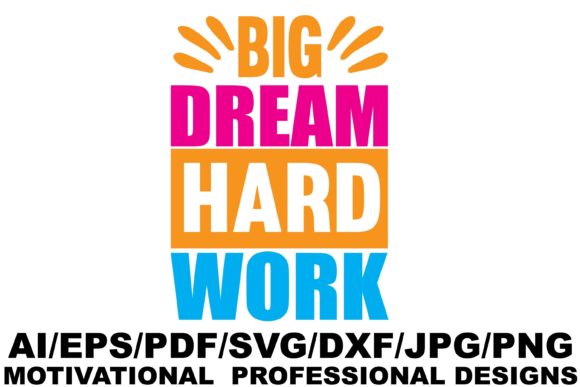
Big Dream Hard Work Design: A Real-World Review
As a designer who has spent years navigating the intersection of digital graphics and physical thread, I approach every new machine embroidery design with a specific set of questions. Does it translate from screen to fabric? Will it survive the wash cycle? Most importantly, does it elevate the finished product enough to justify the time and material cost? Today, I am putting Big Dream Hard Work Design through that exact lens. This piece falls squarely into the Crafts category as a versatile Graphics asset, but its true value lies in how it performs when you actually sit down at your machine.
First Impressions: Mood and Visual Weight
When I first opened the preview for Big Dream Hard Work Design, the immediate feeling was one of grounded motivation. It isn't just a phrase; it is a statement. The layout feels balanced, avoiding the common pitfall of text-heavy designs that can become muddy once stitched. For anyone looking to create a handmade product that speaks to ambition or resilience, this design offers a strong visual anchor. The typography appears bold enough to hold its own against textured backgrounds, yet refined enough not to look cluttered.
In the world of commercial embroidery, clarity is king. A design that looks great on a monitor often fails when the needle hits the fabric. Big Dream Hard Work Design seems to anticipate this. The spacing between letters suggests a healthy stitch density, which is crucial for preventing puckering on heavier materials. If you are an Etsy seller or running a small shop, you know that customers buy what they see clearly. This design delivers a clean, professional aesthetic that builds trust before the customer even touches the item.
Putting It to the Test: A Sweatshirt Scenario
To truly understand the utility of this embroidery file, let's walk through a real project. Imagine you are preparing a line of custom hoodies for a local boutique or perhaps a personalized gift for a hardworking friend. You choose a heavyweight fleece sweatshirt in a deep charcoal grey. This is a challenging surface because the fabric has a nap and can be prone to shifting.
Here is where Big Dream Hard Work Design shines. The lettering style is robust, meaning it will likely benefit from a mix of satin stitch for definition and fill stitch for body. On a dark garment like this, the contrast becomes critical. I would recommend using bright white or a vibrant gold thread to make the message pop. Because the design is not overly intricate with tiny details, it avoids the issue of threads breaking or getting lost in the fabric texture. When hooped correctly with a firm cutaway stabilizer, the result should be a crisp, raised logo that adds significant perceived value to the garment.
Think about the end user. Someone wearing a sweatshirt with this message is making a statement. They aren't just wearing clothes; they are wearing an attitude. This transforms a basic commodity into a meaningful personalized gift. Whether it is for a graduation present, a corporate incentive, or a holiday embroidery project, the sentiment resonates. In a crowded market of generic designs, this one stands out because it connects emotionally while maintaining high technical standards.
Navigating Fabric and Hoop Challenges
While Big Dream Hard Work Design is versatile, no design is a magic bullet. As a reviewer, I must point out where caution is required. If you attempt to use this on very thin fabrics like silk or lightweight rayon, the density of the stitches could cause significant distortion. Always test on scrap fabric first. Similarly, if you are working with highly stretchy knits, the tension needs to be dialed in perfectly to prevent the design from warping when the fabric stretches.
Another consideration is the hoop size. While the description highlights unique and attractive elements, you must verify the dimensions fit your machine's capabilities. If you are trying to force this design into a 4x4 hoop when it requires more space, you risk distorting the aspect ratio, which ruins the legibility of the text. Conversely, if you are creating an embroidered patch, ensure the stabilizer backing is thick enough to support the edge stitching without fraying.
For curved surfaces like caps, the design's straight lines work well, but the placement is key. Centering it on the front panel ensures maximum visibility. However, avoid placing it near seams where the fabric thickness changes, as this can lead to uneven stitching. If you are producing items for frequent washing, such as kitchen towels or aprons, check the thread colors for colorfastness. High-quality thread is non-negotiable here to ensure the finished product looks fresh after months of use.
Strategic Use for Craft Businesses
For small business owners and creative entrepreneurs, this design represents more than just a pattern; it is a brand asset. Consistency is vital for building a recognizable shop identity. Using Big Dream Hard Work Design across various products—from tote bags to pillow covers—creates a cohesive collection. Customers begin to associate that specific font and message with your brand quality.
When listing these items online, the visual appeal directly impacts buyer engagement. A clear, well-executed tote bag design or sweatshirt embroidery photograph sells better than a blurry or poorly stitched sample. This design allows for excellent printable mockup creation, giving potential buyers a realistic idea of the final outcome. It also works beautifully as a baby embroidery accent on a nursery blanket or onesie, provided the thread is soft and the stitch count is low enough to keep the fabric breathable.
However, always remember to confirm the licensing terms before selling finished items. While the shop description mentions "unique" and "professional" assets, you need to know if you are allowed to sell the physical goods you create. If you plan to resell the digital embroidery file itself, that usually requires a different license tier. Never assume; always read the fine print to protect your business.
Practical Designer Notes for Success
- Test First: Always run a test stitch on a similar fabric scrap to check tension and alignment before committing to expensive materials.
- Stabilizer Matters: Do not skimp on the backing. A good tear-away or cutaway stabilizer is essential for keeping the text sharp.
- Color Contrast: Plan your thread colors carefully. Light text on dark fabric (or vice versa) offers the best readability.
- Density Check: Inspect the digitization for areas that might be too dense, which can lead to puckering, especially on custom apparel.
- Licensing: Verify if the design is cleared for commercial use on physical products or if it is limited to personal projects.
- Mockups: Create black and white previews to ensure the shape holds up without relying on color contrast alone.
Ultimately, Big Dream Hard Work Design is a solid addition to any designer's library. It bridges the gap between motivational messaging and high-quality craftsmanship. By understanding its strengths and limitations, you can leverage it to create stunning, professional-grade items that resonate with your audience. Whether you are a hobbyist making gifts or a pro running a full-scale craft business, this design offers the reliability needed to turn a simple idea into a tangible, beautiful reality.