Daddys Sunshine SVG: A Designer's Real-World Review
As a designer who has spent years navigating the intersection of digital graphics and physical stitching, I approach every new file with a critical eye. The market is flooded with generic machine embroidery design assets, but finding one that truly translates well from screen to fabric requires experience. Recently, I evaluated the Daddys Sunshine SVG, a design marketed primarily as a digital cut file for crafting machines. While the listing highlights its utility for cutting tools, my focus was on how this specific Graphics asset performs when converted into a tangible embroidery project. Does it hold up under the scrutiny of a professional hoop? Is it suitable for a small business selling high-end handmade goods?
First Impressions: Mood and Visual Personality
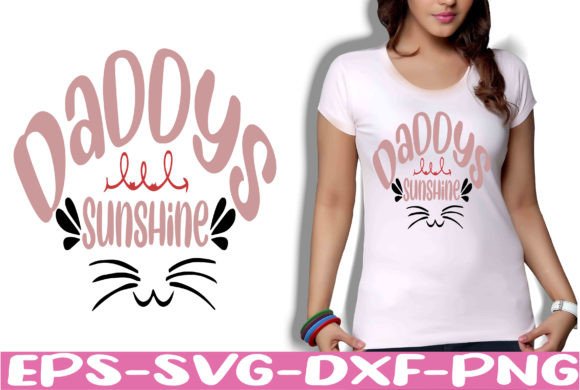
Opening the digital embroidery file package, the first thing that strikes you is the sentiment. "Daddy's Sunshine" is a classic trope in the world of baby embroidery, evoking warmth, affection, and playful nostalgia. Visually, the design relies on bold shapes and clear typography. From a pure Graphics perspective, the layout is balanced. However, when I mentally map this onto a garment, I immediately assess the line weights. For an embroidered patch or a direct stitch application, thick lines are generally forgiving, which is a positive sign here.
The mood is undeniably cheerful, making it an instant fit for nursery decor or personalized gifts. Yet, as a reviewer, I look beyond the cute factor. I ask myself: does this design have enough structural integrity to survive the needle penetration? The curves in the text and the potential sunburst elements suggest a need for careful digitization if converting from the provided SVG format. If you are planning to use this as an applique design, the clean edges are a significant advantage, allowing for crisp satin stitching around the perimeter without excessive bulk.
Real-Life Application: The Custom Tote Bag Scenario
To test the practicality of Daddys Sunshine SVG, let's imagine a real-world scenario. You run a small craft business on Etsy, and a customer orders a custom tote bag for a baby shower gift. They want something durable yet stylish. You decide to use this design. Because the original file is an SVG intended for cutting, you would likely trace the paths in your embroidery software to create the actual stitch density map.
In this context, the design shines on a sturdy cotton canvas tote. The large scale works beautifully, allowing for a mix of fill stitch for the main body and satin stitch for the outlines. The result is a tactile, high-quality finish that elevates a simple bag into a premium handmade product. Customers reacting to this finished item would likely appreciate the clarity of the lettering and the vibrant contrast against the natural fabric. This is exactly where custom apparel projects thrive—on flat, stable surfaces where the design can breathe without distortion.
However, consider placing the same design on a soft, stretchy sweatshirt embroidery project. Here, the challenge increases. The elasticity of the fabric can distort the roundness of the sun or the spacing of the letters if the hoop size isn't managed perfectly. In such cases, using a tear-away stabilizer becomes non-negotiable to prevent puckering. The visual appeal remains strong, but the technical execution demands more skill to ensure the finished product looks professional rather than amateurish.
Navigating Challenges: Where Caution is Needed
While Daddys Sunshine SVG is versatile, there are specific situations where it requires careful handling. First, avoid using this design on very thin fabrics like silk or lightweight chiffon. The weight of the thread and the density required to fill the shapes could overwhelm the material, causing it to warp or tear. Similarly, highly textured fabrics like terry cloth or heavy fleece might obscure the finer details of the text, reducing the legibility that makes this design effective.
Another critical area is curved surfaces, such as baseball caps. Embroidering on a cap introduces tension issues that flat surfaces do not. The "Sunshine" element, if it includes rays or intricate curves, might struggle to maintain its shape on a dome. You would need to significantly adjust the running stitch settings and potentially simplify the design to prevent thread breakage. Furthermore, if you are working with dark fabrics, ensure your thread colors offer sufficient contrast. A light yellow sun on a black background needs a solid underlay to pop; otherwise, the design will look muddy and unprofessional.
Small hoop sizes are another pitfall. If you attempt to shrink this design to fit a 4x4 inch hoop, the lettering may become too small to stitch cleanly. Tiny lettering often results in blocked-up stitches where the needle cannot penetrate effectively, leading to gaps or broken threads. Always verify the minimum dimensions before committing to a small-scale embroidery project.
Impact on Brand Value and Customer Trust
For the Etsy seller or boutique owner, the quality of your design directly correlates with your brand reputation. Using a well-executed version of Daddys Sunshine SVG signals attention to detail. When a customer receives a personalized gift where the stitching is even, the colors are vibrant, and the fabric lies flat, their trust in your brand deepens. It transforms a simple transaction into a memorable experience.
Conversely, poor execution can damage credibility. If the design appears pixelated (if printed) or sloppy (if stitched), it suggests a lack of care. Therefore, investing time in proper digitization or selecting a pre-digitized version that respects the original vector lines is crucial. The visual appeal of the final piece drives buyer engagement. A clean, sharp tote bag design or a crisp pillow cover is more likely to be photographed and shared on social media, providing free marketing for your shop.
Practical Notes for the Professional Designer
If you decide to incorporate Daddys Sunshine SVG into your workflow, follow these practical steps to ensure success:
- Test on Scrap Fabric: Never skip this step. Stitch the design on a scrap piece of the exact fabric you plan to use. Check for puckering, thread breaks, and color bleed.
- Review Stitch Density: Ensure the fill areas are dense enough to cover the fabric but not so dense that they stiffen the material unnaturally.
- Confirm Hoop Size: Measure the bounding box of your digitized design against your machine's maximum capacity. Leave room for the hoop's grip.
- Inspect Small Details: Zoom in on the digitized file to check for tiny jumps or isolated stitches that could cause thread snags.
- Use Proper Stabilizer: Match the stabilizer to the fabric weight. Heavy items need heavy stabilizers; delicate items need water-soluble options.
- Check Licensing: Since this file comes as a download including SVG, DXF, PNG, and EPS formats, always review the license terms. Confirm whether you are allowed to sell the finished product or if the license restricts commercial use. This is vital for any commercial embroidery endeavor.
- Create Mockups: Use printable mockup templates to visualize the design on different products before purchasing materials. Compare light and dark backgrounds to choose the best thread colors.
In conclusion, Daddys Sunshine SVG offers a solid foundation for various Crafts and Graphics applications. Its strength lies in its clear, emotive message and adaptable shape. However, its success in the real world depends entirely on the designer's ability to translate the digital vector into a high-quality physical stitch. By respecting the limitations of the medium and testing thoroughly, you can turn this design into a standout item in your collection, whether it's a holiday embroidery special or a staple in your small shop product line.