Carrots Far the Easter Bunny: A Designer Review
As someone who has spent years navigating the intersection of digital graphics and physical stitching, I approach every new machine embroidery design with a critical eye. The market is flooded with files that look perfect on a screen but fall apart under the needle. When I first opened the file for Carrots Far the Easter Bunny, my immediate goal was to determine if this piece could transition from a digital asset into a high-quality, sellable handmade product. For any Etsy seller or small business owner looking to refresh their spring catalog, the difference between a good design and a great one often comes down to stitch execution and practical application.
First Impressions: Visual Weight and Theme
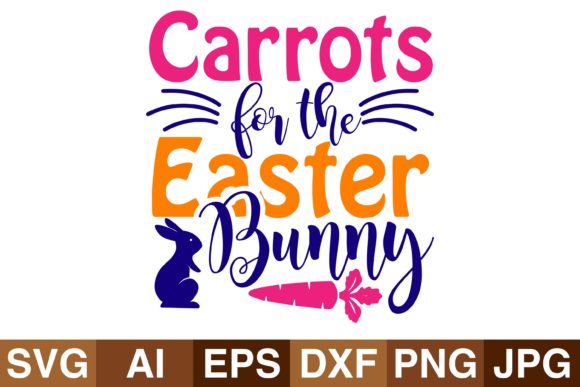
The concept behind Carrots Far the Easter Bunny is charmingly straightforward, tapping into the whimsical nature of holiday decor. Visually, the layout suggests a playful interaction between the iconic bunny and its favorite snack. However, as a designer, I am less interested in the concept and more focused on how the shapes translate into thread. The lines appear clean, which is promising for reducing jump stitches and minimizing cleanup time. The visual personality feels lighthearted, making it an excellent candidate for baby embroidery projects or festive kitchen textiles like tea towels and aprons.
When evaluating a Graphics file for real-world use, I look for balance. Does the design have too much negative space? Is the detail level appropriate for the intended fabric? In this case, the composition seems well-suited for medium-sized hoops. It avoids the trap of being overly intricate, which can lead to puckering on soft fabrics, while still offering enough character to stand out on a crowded craft fair table. This balance is crucial for maintaining the integrity of your brand when you are selling custom apparel or personalized gifts.
Testing the Design: A Real-World Scenario
To truly understand the potential of Carrots Far the Easter Bunny, I imagined a specific project: creating a limited run of embroidered tote bags for a local boutique. Tote bags are a staple for craft businesses, but they present unique challenges due to the canvas texture and the way the fabric moves within the hoop. If the stitch density is too high, the bag will warp; if it is too low, the design will look washed out against the natural fibers.
In this scenario, I would likely use a heavy-duty cut-away stabilizer to ensure the fill stitch areas lay flat. The carrots in the design offer a great opportunity to play with thread colors. Using a bright orange for the vegetables against a neutral cream or white bag creates a pop that draws the customer in. Conversely, placing this design on a dark-colored sweatshirt would require careful consideration of the background fill. Without a solid backing, the black threads might show through, ruining the vibrancy of the Easter theme. This is why testing the design on scrap fabric first is non-negotiable for any professional decorator.
Navigating Fabric Challenges and Hoop Sizes
Not all fabrics are created equal, and Carrots Far the Easter Bunny requires thoughtful placement to shine. While it looks fantastic on stable surfaces like pillow covers or denim patches, applying it to stretchy knits or thin silks demands caution. On stretchy materials, the tension of the machine can distort the curves of the bunny's ears or the tapered shape of the carrots. If you plan to use this on a cap or a curved surface, you must verify that the design does not rely on long, continuous satin stitches that might break or pucker over the seam.
Furthermore, the hoop size is a critical factor. If you attempt to shrink this design to fit a tiny 4x4 hoop, you risk losing the definition in the facial features or the leafy tops of the carrots. Small details can become muddy blobs of thread if the resolution is compromised. For the best results, I recommend using the design at its intended scale or slightly larger, ensuring that the running stitch outlines remain crisp and distinct. This attention to detail separates a professional finished product from an amateur attempt.
Strategic Applications for Commercial Success
- Personalized Gifts: The charm of the design makes it ideal for nursery decor or baby onesies, where parents appreciate cute, seasonal motifs.
- Holiday Merchandise: Use this on embroidered patches to create collectible items for your shop, adding value to standard accessories.
- Home Decor: Kitchen towels and placemats benefit from the cheerful aesthetic, turning everyday items into conversation starters.
- Apparel Branding: For a small shop product line, this design adds a seasonal touch to basic tees without overwhelming the garment.
Professional Considerations for Sellers
Before listing products featuring Carrots Far the Easter Bunny, every digital product seller must consider the licensing terms. Just because you own the embroidery file does not automatically grant you the right to sell the finished goods or the file itself. Always confirm whether the license allows for commercial use of the final stitched item. Selling unauthorized products can damage your reputation and lead to legal issues, undermining the trust you've built with your customers.
Additionally, presentation matters. When creating printable mockups for your online store, ensure the lighting and angles accurately represent how the thread will look. A design that appears vibrant in a photo might look dull if the fabric texture absorbs too much light. By taking the time to photograph the actual stitched sample, you provide transparency that boosts buyer engagement and reduces return rates.
Final Verdict on Design Assets
Carrots Far the Easter Bunny is a solid addition to any Crafts library, provided it is used with intention. It offers a reliable foundation for seasonal projects, balancing simplicity with enough character to engage customers. Whether you are a hobbyist looking to make a personalized gift or a seasoned entrepreneur building a commercial embroidery line, this design holds up well under scrutiny. The key lies in your preparation: choosing the right stabilizer, respecting the scale, and testing your color combinations.
Ultimately, the success of this embroidery project depends on your execution. By treating the file as a tool rather than a magic solution, you can create beautiful, durable items that reflect professionalism and care. As we move into the spring season, designs like this offer a timely opportunity to connect with buyers looking for fresh, festive content. Just remember to check the technical specs, respect the licensing, and let your creativity guide the final result.