Do It Now Sometimes Later Design Review
As a designer who has spent years navigating the intersection of digital graphics and physical thread, I approach every new machine embroidery design with a critical eye. The market is flooded with files that look perfect on a screen but fall apart under the needle. When I first opened the Do It Now Sometimes Later Design, my immediate reaction was one of cautious optimism. This piece falls squarely into the realm of Crafts and Graphics, promising a blend of humor and utility that could serve as a staple for many small business owners. But does it hold up when translated from pixels to fabric?
The First Impression: Mood and Visual Weight
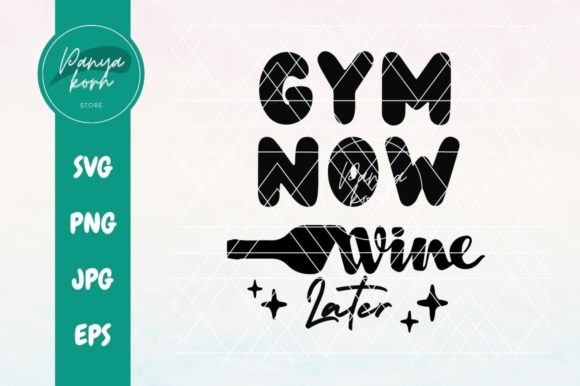
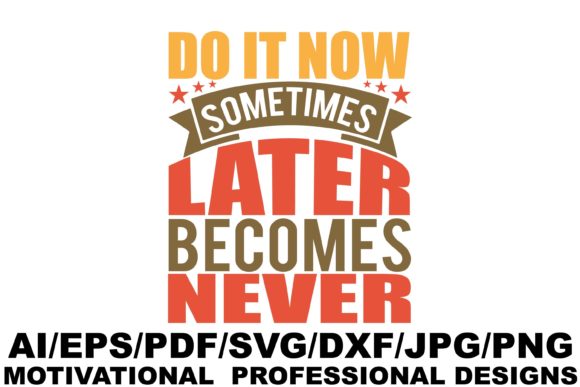
Before loading any hoop, I always analyze the layout and visual personality of an embroidery file. The Do It Now Sometimes Later Design strikes a balance between playful and professional. The typography appears bold enough to maintain legibility at a distance, which is crucial for items like tote bags or sweatshirts where the message needs to pop. The phrase itself carries a relatable, slightly rebellious energy that resonates well with modern audiences looking for personalized gifts.
In terms of composition, the design feels grounded. It doesn't rely on overly intricate details that might get lost in a fill stitch or create tension issues on stretchy fabrics. Instead, it utilizes clean lines and balanced spacing. For an Etsy seller or boutique owner, this kind of clarity is vital. It suggests a finished product that looks intentional rather than rushed. The visual weight is distributed evenly, meaning it should sit well on curved surfaces like caps without distorting the text.
Real-World Application: From Hoop to Home
To truly understand the potential of this design, I imagined a specific scenario: preparing a batch of custom embroidered aprons for a local craft fair. Aprons are a fantastic canvas because they are durable, highly visible, and often purchased as practical holiday gifts. In this context, the Do It Now Sometimes Later Design would serve as a conversation starter. Imagine a customer picking up a sturdy cotton apron featuring this witty phrase stitched in a contrasting color. It transforms a utilitarian item into a statement piece.
I also considered its application on baby embroidery projects. While the sentiment is humorous, the font style is generally safe for nursery decor if paired with soft pastels. A personalized onesie or a pillow cover for a toddler's room could benefit from the lighthearted nature of the design. However, the key here is scale. On smaller baby garments, you must ensure the lettering remains large enough to be read clearly after washing. If the design shrinks too much, the charm is lost, and the text becomes illegible.
For apparel decorators working on sweatshirt embroidery, this design offers versatility. Placing it across the chest of a heavy fleece hoodie creates a cozy, streetwear aesthetic. The Do It Now Sometimes Later Design works particularly well as a standalone element, avoiding the clutter that sometimes plagues busy commercial embroidery projects. It allows the fabric texture to breathe while still making a bold statement.
Where Caution is Required
Despite its strengths, there are scenarios where this design requires careful handling. Small hoop sizes are a potential pitfall. If you attempt to fit the entire phrase into a 4x4 inch hoop, the stitch density may become too high, leading to puckering, especially on thin fabrics like t-shirts. Always check the recommended dimensions before committing to a project.
Textured fabrics present another challenge. On materials with a deep weave or heavy nap, such as certain blankets or thick wool blends, the fine details of the letters might not catch the light correctly. You may need to adjust your stabilizer choice to ensure the stitches lay flat. Additionally, dark fabrics require careful consideration of thread colors. A white satin stitch outline against black denim can look sharp, but if the fill stitch isn't dense enough, the background color might show through, ruining the contrast.
Curved surfaces, specifically caps, demand precision. The arch of the brim can distort straight text if the digitization isn't optimized for curvature. Before running a full production run of embroidered patches or hats, I strongly advise testing the Do It Now Sometimes Later Design on a scrap piece of similar material to see how the needle navigates the curve.
Design Integrity and Commercial Viability
For creative entrepreneurs and digital product sellers, the value of an embroidery file lies in its consistency. The Do It Now Sometimes Later Design maintains a high level of professionalism that boosts buyer engagement. When customers see a clean, well-executed stitch pattern, their trust in the handmade product increases. This is essential for building a brand that stands out in a crowded marketplace.
However, before using this design for commercial embroidery, you must verify the licensing terms. The shop description mentions "100 unique Attractive, Professional and eye-catching design," but it does not explicitly state whether the license covers unlimited commercial use or sales of finished goods. As a responsible maker, you should confirm these details to avoid legal issues. Selling finished items like tote bag designs or patches based on unclear licenses can jeopardize your entire craft business.
Practical Designer Notes for Success
If you decide to incorporate the Do It Now Sometimes Later Design into your workflow, follow these steps to ensure a flawless result:
- Test on Scrap Fabric: Never skip the test run. Stitch the design on a scrap piece of the exact fabric you plan to use to check for puckering and alignment.
- Check Thread Color Contrast: Ensure the thread colors provide sufficient contrast against the fabric background. High contrast improves readability and visual appeal.
- Review Stitch Density: Inspect the file settings. If the fill stitch is too dense, it can stiffen the fabric; if too sparse, the backing will show through.
- Confirm Hoop Size: Match the design dimensions to your available hoops. Resizing too drastically can ruin the aspect ratio of the text.
- Use Proper Stabilizer: For stretchy fabrics or delicate items like baby clothes, a tear-away or cut-away stabilizer is non-negotiable to prevent distortion.
- Inspect Small Details: Look closely at the corners of the letters. Tight turns can cause thread breaks if the digitization isn't smooth.
- Create Printable Mockups: Before selling, generate digital mockups to visualize how the finished product will look on various items.
- Verify Licensing: Double-check the terms of use regarding commercial sales of finished products versus digital resale.
Final Thoughts on Project Suitability
The Do It Now Sometimes Later Design is a versatile asset for anyone looking to add a touch of wit to their handmade products. Whether you are creating a personalized gift for a friend, stocking shelves for a small shop, or fulfilling custom orders for clients, this design offers a solid foundation. Its strength lies in its simplicity and clear messaging, making it suitable for a wide range of applications from kitchen towels to holiday embroidery kits.
While it requires attention to detail regarding fabric choice and stabilization, the potential for a high-quality finished product is evident. By taking the time to test and refine your process, you can turn this digital graphic into a tangible, cherished item that reflects both your skill as a designer and the personality of the recipient. In the world of crafts, where every stitch counts, choosing the right design is half the battle won.