Review: Bunny Batter Have My Candy Embroidery Design
As a designer who has spent years navigating the intersection of digital graphics and physical stitching, I approach every new machine embroidery design with a critical eye. The market is flooded with files that look perfect on a screen but fall apart under the needle. When I first opened the file for Bunny Batter Have My Candy, my immediate goal was to determine if this piece could survive the transition from a digital graphic to a tangible, high-quality handmade product. For craft business owners and Etsy sellers looking to capitalize on the seasonal rush, the difference between a mediocre stitch-out and a professional finish often lies in the design's structural integrity.
First Impressions: Visual Personality and Theme
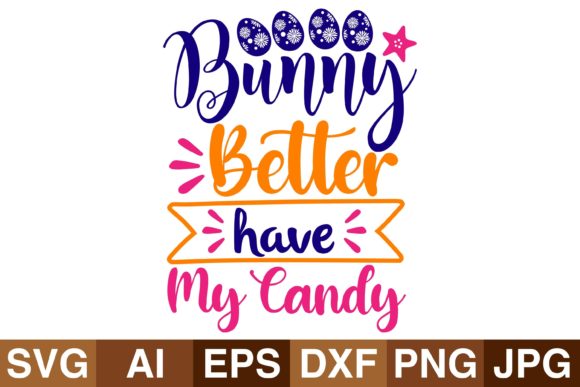
The concept behind Bunny Batter Have My Candy is undeniably playful. It taps into the classic Easter aesthetic while adding a modern, slightly mischievous twist that appeals to both children and adults who enjoy holiday humor. Visually, the layout balances the character of the bunny with the typography effectively. In the world of Graphics, where visual hierarchy is everything, this design manages to keep the focal point clear without overwhelming the viewer.
However, seeing it as a potential machine embroidery design requires a different perspective. The lines appear crisp, suggesting that the digitizer has paid attention to smooth curves rather than jagged pixelation. This is crucial because jagged lines in an embroidery file often translate to uneven satin stitches or puckered fabric. The mood it creates is lighthearted and festive, making it an ideal candidate for holiday embroidery projects intended to bring a smile to customers during spring shopping seasons.
Real-World Application: From Screen to Stitch
To truly evaluate Bunny Batter Have My Candy, I imagined a specific scenario: creating a limited-run collection of custom embroidered tote bags for a local boutique. Tote bags are a staple for small shop products, but they present unique challenges due to the thickness of the canvas and the frequent handling they endure. If the stitch density is too low, the design will look sparse and cheap; if it is too high, the heavy thread weight will cause the canvas to warp.
In this hypothetical project, placing the bunny design on a natural-colored cotton tote would allow the colors to pop without needing excessive backing. The design seems robust enough to handle the tension required for sturdy fabrics. Alternatively, I considered using this as a sweatshirt embroidery element. Placing it on the left chest of a heavyweight hoodie would give it a premium, branded feel. The scale of the bunny and the text appears large enough to remain legible even when stitched on textured fleece, which is often a pain point for smaller designs.
For parents looking to create a personalized gift, this design fits perfectly on baby clothes or nursery decor. A simple onesie with this motif adds a touch of whimsy that generic store-bought items lack. The key here is ensuring the thread colors selected complement the soft pastels typically associated with baby items, rather than clashing with them.
Where Caution is Required
While Bunny Batter Have My Candy shows promise, experienced designers know that no design is universally perfect. There are specific situations where this file needs careful handling. First, avoid using it on highly stretchy fabrics like jersey knit without significant stabilization. The intricate details of the bunny's face and the lettering could distort if the fabric shifts during stitching.
Secondly, consider the limitations of small hoop sizes. If you attempt to fit this entire composition into a 4x4 inch hoop, you risk losing detail in the corners or having the machine run out of space for proper trim commands. It is always better to use a larger hoop or split the design if necessary, though splitting can sometimes disrupt the flow of the artwork. Additionally, if you plan to use this on dark fabrics, ensure the digitization includes a dense underlay. Without a solid base layer, the fill stitch might not cover the black background completely, resulting in a muddy appearance.
Another area of concern is the frequency of washing. Items like kitchen towels or aprons undergo rigorous cleaning cycles. If the running stitch outlining the candy or the bunny is too thin, it may fray over time. Testing the durability of the design on scrap fabric before committing to a batch of finished products is non-negotiable for maintaining your reputation as a professional crafter.
Impact on Brand Value and Customer Perception
For the Etsy seller or creative entrepreneur, the quality of your design assets directly influences customer trust. A well-executed embroidered patch featuring this bunny design signals attention to detail. Customers today are savvy; they can tell the difference between a rushed job and a carefully crafted item. Using a design that maintains its clarity after stitching enhances the perceived value of your handmade product.
When preparing printable mockups for your online listings, ensure you show the design on various backgrounds. Seeing how Bunny Batter Have My Candy looks on a white pillow cover versus a navy blue cap helps buyers visualize the final result. This transparency reduces return rates and increases buyer engagement. Furthermore, consistency in your brand presentation matters. If your shop specializes in high-end custom apparel, every stitch must reflect that standard. A sloppy digitization can undermine months of brand building.
Practical Designer Notes for Success
Before integrating this design into your workflow, follow these essential steps:
- Test on Scrap Fabric: Never skip this step. Stitch out the design on the exact material you plan to use to check for puckering or registration issues.
- Check Thread Contrast: Ensure the chosen thread colors provide enough contrast against the fabric. A light gray bunny on a white shirt will be invisible once stitched.
- Verify Hoop Size: Confirm that your machine's hoop can accommodate the full width and height of the design without trimming off edges.
- Inspect Small Details: Zoom in on the file to check the smallest elements, such as the eyes or the text kerning. Tiny letters often become illegible if the font size is too small for the stitch count.
- Use Proper Stabilizer: Whether it is tear-away, cut-away, or wash-away, choose a stabilizer that matches the weight of your fabric to prevent distortion.
- Review Licensing: Always confirm the license terms provided by the shop. While the description mentions "unique" and "professional" designs, you must verify if you are allowed to sell finished items or if the license is strictly for personal use.
In conclusion, Bunny Batter Have My Candy offers a delightful opportunity for designers to add a seasonal flair to their portfolio. Its playful theme and apparent structural soundness make it a strong contender for commercial embroidery projects, provided you adhere to best practices in preparation and execution. By treating this digital embroidery file with the respect and technical care it deserves, you can transform a simple graphic into a cherished keepsake or a profitable craft business asset. As we move into the crafting season, designs like this remind us that the magic happens not just in the file, but in the hands of the maker who brings it to life.