Coffee and Jesus: A Designer's Real-World Review
As a designer who has spent years navigating the intersection of faith, humor, and functional apparel, I approach every new Coffee and Jesus design with a critical eye. The market is flooded with generic religious graphics, but finding a piece that balances spiritual sentiment with modern aesthetics for a real embroidery project is rare. When I first opened the digital file for this specific design, my immediate thought was about its potential as a staple for small shop products and boutique branding. Does it hold up under the scrutiny of a professional machine, or does it fall apart when you try to stitch it onto a textured fabric?
The First Impression: Mood and Visual Personality
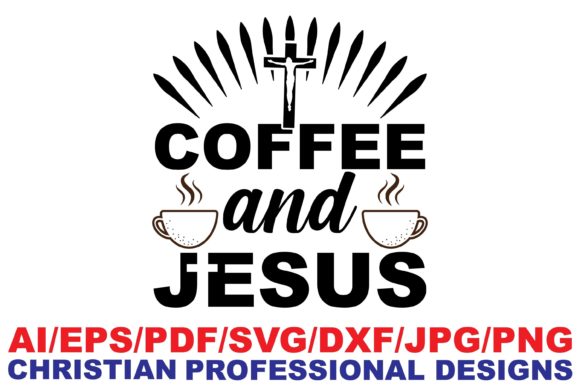
The Coffee and Jesus concept is inherently relatable, tapping into a universal morning ritual that resonates deeply with a wide demographic. Visually, the design presents itself as a playful yet respectful graphic. It avoids the overly ornate or heavy-handed styles often found in traditional religious Crafts, opting instead for a cleaner, more contemporary look suitable for modern custom apparel. The layout feels balanced, suggesting that the negative space will be just as important as the fill areas once stitched.
For an Etsy seller or a creative entrepreneur looking to expand their catalog, this type of design offers a unique selling point. It bridges the gap between a funny SVG style and a sincere message. However, visual appeal on a screen does not always translate perfectly to thread. The true test lies in how the shapes interact with the physical limitations of embroidery. Does the design rely too heavily on tiny details that might get lost in a satin stitch? Or does it use bold lines that will stand out on a sweatshirt embroidery project?
Real-Life Application: From Digital File to Finished Product
Imagine preparing a custom embroidered tote bag for a local craft fair. You want something that catches the eye from across the room but still looks professional up close. This is where the Coffee and Jesus design shines. If I were using this for a handmade product like a canvas tote or a kitchen towel, I would likely place it centrally, allowing the design to breathe. The theme suggests a casual, welcoming vibe, making it perfect for holiday gifts or personalized items for friends and family who appreciate a touch of humor in their faith.
Consider the scenario of a small business owner creating a line of aprons for a coffee shop. An embroidered patch featuring this design could serve as a great branding element. The key here is understanding how the Graphics category of this file translates to physical texture. On a thick cotton apron, the fill stitch should provide enough coverage to look solid without puckering the fabric. Conversely, if you are looking at baby embroidery or delicate nursery decor, you must evaluate whether the design can be scaled down without losing its charm. A design that works beautifully on a heavy hoodie might overwhelm a lightweight onesie if the stitch density is too high.
Stitching Clarity and Fabric Considerations
One of the most critical aspects of any machine embroidery design is how it handles different fabric textures. When working with Coffee and Jesus, I would advise testing the design on scrap fabric first. If you plan to use this on dark fabric, the contrast of the thread colors becomes paramount. Lighter threads against a black background require precise placement to avoid showing the backing material through the gaps in the stitching.
Stretchy fabrics present another challenge. If you are applying this design to a knit t-shirt or a fitted cap, the hoop size and stabilizer choice become non-negotiable. A large hoop might distort the stretchy material, causing the finished product to pucker around the edges. In such cases, breaking the design into smaller sections or using a cut-away stabilizer is essential. The running stitch and satin stitch elements within the design need to be firm enough to withstand the tension of the fabric stretching during wear and washing.
Where Caution Is Required
While the Coffee and Jesus design is versatile, there are specific situations where it requires careful handling. Small hoop sizes are a common pitfall. If you attempt to force this design into a 4x4 inch hoop without resizing, the intricate details may merge, resulting in a muddy appearance. Similarly, curved surfaces like baseball caps demand a specialized setup. The curvature can cause the needle to hit the hoop or skip stitches if the design isn't optimized for that specific angle.
Detailed corners and tiny lettering are also areas of concern. In commercial embroidery projects, clarity is king. If the text portion of the design is too small, it may become illegible after stitching, especially if the thread color blends too closely with the fabric. For products that need frequent washing, such as tea towels or gym bags, the durability of the stitch density is crucial. A loose fill stitch might unravel over time, diminishing the value of your handmade product.
Impact on Brand Consistency and Customer Trust
For a craft business, the quality of your design assets directly impacts customer trust. A well-executed Coffee and Jesus embroidery project signals professionalism and attention to detail. It tells the buyer that you care about the finished product, not just the speed of production. This level of care enhances the giftability of the item, making it a desirable addition to holiday collections or wedding favors.
When creating printable mockups or digital product previews, ensure that the representation matches what the customer will receive. Misleading images can lead to returns and damage your reputation as an Etsy seller. By accurately showcasing how the design looks on various backgrounds—light and dark—you build confidence in your brand. This transparency is vital for maintaining a loyal customer base in the competitive world of digital product sellers.
Practical Notes for the Embroidery Designer
Before committing to a full run of custom apparel, follow these practical steps:
- Test on Scrap Fabric: Always run a test stitch to check for puckering, thread breaks, or misalignment.
- Check Thread Color Contrast: Ensure the chosen thread colors pop against the fabric, especially for dark materials.
- Review Stitch Density: Adjust the density settings if the design appears too tight or too loose on your specific machine.
- Confirm Hoop Size: Verify that the design fits comfortably within your available hoops without needing excessive scaling.
- Inspect Small Details: Zoom in on the digital file to identify any areas that might need simplification for better stitching results.
- Use Proper Stabilizer: Select the right type of stabilizer based on the fabric weight and texture to ensure a flat, professional finish.
- Verify Licensing: Before selling finished items or digital files, confirm the licensing terms to ensure you have the rights for commercial use.
In conclusion, the Coffee and Jesus design offers a compelling blend of humor and faith that can elevate your craft business offerings. Whether you are creating a personalized gift, a small shop product, or a larger commercial embroidery project, success depends on your ability to adapt the design to the specific needs of the fabric and the end user. By taking the time to test, adjust, and refine, you can transform this digital graphic into a high-quality, tangible asset that customers will love and cherish.