If You Never Try: A Motivational Embroidery Review
As a designer who has spent years navigating the intersection of digital graphics and physical thread, I approach every new machine embroidery design with a critical eye. The market is flooded with files that look stunning on a screen but fall apart under the needle. When I first opened the file for If You Never Try , Motivational Design, my immediate goal was to determine if it held up as a professional asset or if it was just another generic graphic. This piece falls squarely into the Crafts category, promising an attractive and eye-catching aesthetic, but does it deliver in the real world?
First Impressions: Mood and Visual Weight
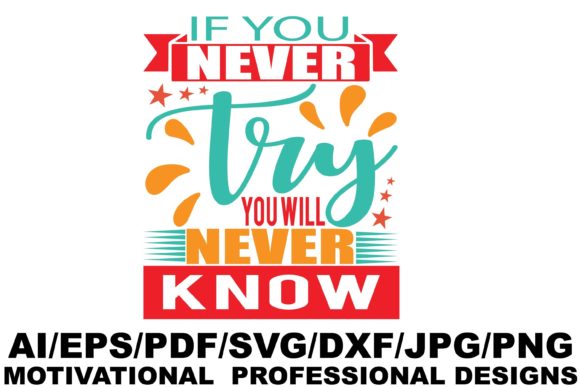
The initial visual impact of If You Never Try , Motivational Design is undeniably bold. The typography carries a confident weight that suggests this is not a subtle background element, but rather a statement piece. In the realm of Graphics, clarity is king, especially when translating vector lines into stitches. The layout feels balanced, avoiding the common pitfall of overcrowded lettering that often happens with motivational quotes.
What stands out immediately is the potential for texture. The design seems ripe for a mix of satin stitch on the outlines and a dense fill stitch for the body of the letters. This combination usually creates a tactile quality that elevates a simple quote into a premium handmade product. However, the true test lies in how these elements translate from a digital preview to a finished embroidered patch or garment. The mood it projects is one of encouragement and resilience, making it an excellent candidate for items meant to inspire daily use.
Real-World Application: From Tote Bags to Sweatshirts
To truly evaluate this design, I visualized it in a specific scenario: creating a limited run of custom tote bags for a local boutique. Imagine a sturdy cotton canvas bag, perhaps in a neutral oatmeal color. Placing If You Never Try , Motivational Design centrally on the front would instantly transform a plain accessory into a conversation starter. The phrase itself is short enough to be readable from a distance yet detailed enough to reward closer inspection.
This versatility extends beyond bags. Consider a heavy-weight sweatshirt for a small business owner looking to brand their team apparel. The design's structure suggests it would hold up well against the thick loops of fleece, provided the correct stabilizer is used. For an Etsy seller focusing on personalized gifts, this design fits perfectly on baby onesies or nursery pillow covers. The message is universal, appealing to parents who want to instill a growth mindset in their children. It also works exceptionally well as a holiday embroidery project, where the sentiment resonates with New Year's resolutions or back-to-school preparations.
In the context of a craft business, consistency is key. If you are selling multiple items featuring this motif, the design needs to look uniform across different fabrics. Whether it is a kitchen towel, an apron, or a cap, the visual personality of If You Never Try , Motivational Design remains distinct. This consistency helps build brand recognition, signaling to your customers that they are buying a high-quality, thoughtfully curated handmade product.
Navigating Fabric Challenges and Stitch Density
While the design is robust, it is not without its challenges. One area requiring careful attention is stitch density. Motivational text often relies on clean edges, but if the fill is too dense, it can cause puckering on lighter fabrics like linen or thin cotton. Conversely, if the density is too low, the thread may show through on dark backgrounds, ruining the contrast.
I strongly advise testing this embroidery file on scrap fabric before committing to a final piece. If you plan to use this on a stretchy material, such as jersey knit for a t-shirt, the tension must be dialed in perfectly to prevent the design from warping. The curved surfaces of a baseball cap present another hurdle; the lettering might distort if the hoop size is not adjusted correctly to match the cap's curvature. Always confirm your hoop size matches the design dimensions to avoid clipping or stretching the text.
Furthermore, consider the fabric texture. On highly textured materials like denim or wool blends, smaller details within the font might get lost. In these cases, simplifying the design or using a thicker thread could enhance visibility. For products that require frequent washing, such as tea towels or gym wear, ensuring the thread colors are colorfast and the stitching is secure is vital for longevity. A poorly executed wash cycle can turn a beautiful design into a frayed mess, damaging your reputation as a professional decorator.
Professional Judgment: Value and Presentation
Using If You Never Try , Motivational Design effectively can significantly boost the perceived value of your merchandise. A well-executed embroidery job signals quality. When a customer picks up a custom apparel item with crisp, even stitching, they perceive it as more valuable than a screen-printed equivalent. This design offers that opportunity, provided the execution is flawless.
For those selling digital product previews or printable mockups, the clean lines of this design make it easy to visualize. You can create compelling marketing images that showcase the design on various backgrounds, helping potential buyers imagine the final result. However, always ensure you have the proper licensing for commercial embroidery projects. While the shop description mentions unique and professional designs, verifying the terms of use is essential before selling finished goods or reselling the digital file itself.
Practical Designer Notes for Success
To get the best results with this project, follow these practical steps:
- Test First: Always run a test stitch on a similar fabric to check for puckering and alignment.
- Check Contrast: Ensure your thread colors stand out against the base fabric. Dark fabrics may require a backing layer or white underlay.
- Stabilize Properly: Use a cutaway stabilizer for stretchy fabrics and a tear-away for stable wovens to maintain the shape of the letters.
- Inspect Details: Zoom in on your digital preview to check for tiny gaps or overly complex corners that might trap thread.
- Mockup Variations: Create both light and dark background mockups to see how the design adapts to different product lines.
- Licensing Check: Confirm whether the license allows for unlimited production or if there are restrictions on the number of finished items you can sell.
In conclusion, If You Never Try , Motivational Design is a versatile asset that bridges the gap between simple text and impactful art. It offers a solid foundation for personalized gift creation, boutique branding, and small shop merchandise. By respecting the technical requirements of embroidery—such as stabilizer choice, thread selection, and fabric compatibility—you can transform this digital graphic into a tangible, high-quality product that inspires your customers. As with any design assets you bring into your workflow, the difference between a good project and a great one lies in the preparation and the passion you put into the stitch.