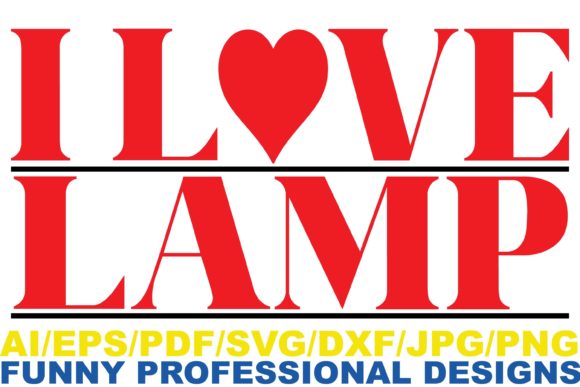
I Love Lamp, Funny Design: A Real-World Embroidery Review
As a designer who has spent years turning digital graphics into tangible stitched goods, I approach every new machine embroidery design with a mix of excitement and skepticism. The market is flooded with generic patterns, but finding a piece that truly translates well from screen to fabric is rare. Today, I am putting the I Love Lamp, Funny Design through its paces. This isn't just about whether the file downloads correctly; it is about how this specific Graphics asset performs when you actually sit down at your machine to create a handmade product for sale or a personal gift.
First Impressions: Visual Personality and Layout
When I first opened the preview for I Love Lamp, Funny Design, the immediate reaction was one of amusement. In the world of Crafts, humor is a powerful connector, but it must be executed cleanly to avoid looking cheap. The layout feels balanced, avoiding the cluttered look that plagues many "funny" designs. The visual personality suggests a playful, slightly retro vibe, which fits perfectly into the current trend of nostalgic home decor and witty apparel.
The shape of the lamp graphic appears to have distinct outlines, which is crucial for maintaining definition during stitching. For an embroidery file to succeed, the negative space needs to breathe. If the lines are too close together, the stitch density can become overwhelming, leading to puckering on the fabric. From a distance, the concept is clear: it is a lighthearted statement piece. However, the true test lies in how the details hold up under magnification and how the thread colors interact with different backgrounds.
Testing the Waters: A Custom Tote Bag Scenario
To evaluate the practical application of this design, I imagined using I Love Lamp, Funny Design for a custom embroidered tote bag. Tote bags are a staple for any Etsy seller or small shop owner because they offer a large canvas and are easy to ship. Let's say we are creating a line of eco-friendly bags for a local coffee shop or as a holiday gift set.
In this scenario, the design would likely be placed centrally on the front panel. The bold nature of the lamp graphic suggests it would work well with a fill stitch for the main body of the lamp, perhaps using a warm yellow or orange thread to mimic light, contrasted with a dark outline. The text component, if present, needs to be legible from a few feet away. On a sturdy cotton canvas, the running stitch used for fine details should pop without sinking into the weave. The result would be a functional item that doubles as a conversation starter, adding significant value to a simple bag.
However, if I were to switch this project to a soft, textured sweatshirt, the dynamic changes. Sweatshirt embroidery requires careful consideration of the fabric's loft. A dense design might flatten the texture of the fleece, while a sparse design might get lost in the pile. With I Love Lamp, Funny Design, the key would be selecting a hoop size that allows the design to float above the fabric rather than digging into it. Using a tear-away stabilizer would be essential here to prevent the stitches from pulling the fabric out of shape over time.
Navigating Fabric Challenges and Placement
Not every surface is created equal. While this design shines on flat, stable fabrics, there are situations where I Love Lamp, Funny Design requires extra caution. For instance, applying this to a curved surface like a cap demands precision. The curve of a baseball cap distorts the perspective of the design, potentially warping the lamp's proportions. If the design includes tiny lettering or intricate corners, these areas are prone to distortion on a rounded brim. In such cases, simplifying the design or opting for an embroidered patch application might yield better results than direct stitching.
Similarly, working with thin or stretchy fabrics presents a challenge. Without the right backing, the tension from the needle can cause the material to ripple around the design. This is particularly important for baby clothes or lightweight tea towels. If you plan to use this digital embroidery file for baby embroidery, ensure the stabilizer is strong enough to support the weight of the thread without compromising the softness of the garment. Dark fabrics also require a thoughtful approach; white or light-colored threads will stand out, but they may show bleed-through if the fabric is too sheer. Always test the design on scrap fabric first to see how the thread colors behave against your specific background.
Commercial Viability and Brand Consistency
For creative entrepreneurs and small business owners, the choice of design assets directly impacts brand perception. I Love Lamp, Funny Design offers a unique angle for boutique branding, especially for shops focusing on quirky home goods or personalized gifts. It adds a layer of personality that mass-produced items often lack. When customers see a finished product with this design, they are not just buying a shirt or a pillow cover; they are buying into a sense of humor and a curated aesthetic.
This design can significantly boost buyer engagement on platforms like Etsy. A high-quality finished product featuring this graphic can serve as a standout listing image. However, consistency is key. If your brand relies on minimalist elegance, this playful design might clash unless carefully integrated. Conversely, if your brand voice is fun and approachable, this asset aligns perfectly. It is vital to consider how this design fits within your broader catalog. Does it complement your other design assets? Will it confuse your audience? These are questions every professional designer must ask before committing to a production run.
Practical Notes for the Professional Designer
Before you commit to selling items featuring I Love Lamp, Funny Design, follow these practical steps to ensure success:
- Test on Scrap Fabric: Never skip this step. Stitch the design on a piece of the actual fabric you intend to use to check for puckering, thread breaks, or registration issues.
- Check Thread Color Contrast: Ensure the colors you select provide enough contrast against the fabric. What looks good on a screen might disappear on gray heathered cotton.
- Review Stitch Density: Look closely at the digitization. Are there areas that are too dense? Over-stitching can damage delicate fabrics and make the final product stiff.
- Confirm Hoop Size: Verify that your machine's hoop can accommodate the full dimensions of the design without needing to re-hoop, which can lead to misalignment.
- Inspect Small Details: Zoom in on the file to ensure no tiny elements will get lost or turn into blobs of thread after stitching.
- Test Mockups: Create black and white mockups to judge the silhouette and contrast without the distraction of color.
- Verify Licensing: Before selling any commercial embroidery projects, confirm the licensing terms provided by the shop. Ensure you are allowed to sell finished goods and understand any restrictions on digital resale.
In conclusion, I Love Lamp, Funny Design holds promise as a versatile and engaging asset for the modern crafter. Its success depends largely on how thoughtfully it is applied. By understanding its strengths and limitations, and by adhering to best practices in machine embroidery, you can transform this digital graphic into a high-quality, market-ready product that delights customers and strengthens your brand. Whether for a personalized gift or a craft business expansion, this design offers a fun opportunity to showcase your skills and creativity.