Baby Chick: A Practical Review for Embroidery Designers
As a designer who has spent years navigating the intersection of digital graphics and physical stitching, I approach every new machine embroidery design with a critical eye. The market is flooded with assets that look stunning on a screen but fall apart under the needle. When I first encountered the Baby Chick design from this shop, my initial reaction was one of cautious optimism. The description promises unique, attractive, and professional graphics, specifically highlighting Easter designs. But does the promise hold up when you move from the monitor to the hoop? Let’s dive into how this specific asset performs in real-world scenarios.
First Impressions: Mood and Visual Personality
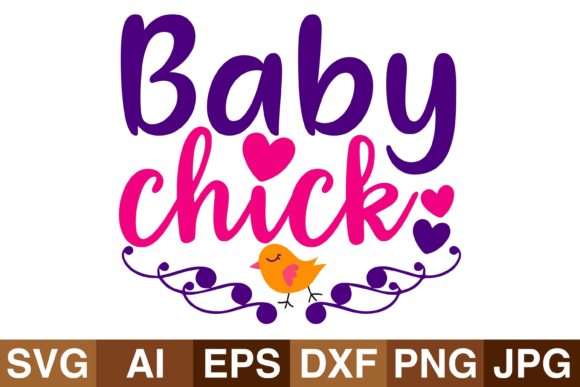
The moment you open the file, the Baby Chick design exudes a playful, springtime energy that is immediately recognizable. It fits perfectly within the seasonal Crafts category, specifically targeting the high-demand window for Easter and baby-themed items. Visually, the shape is rounded and soft, which is excellent for embroidery because sharp angles often require complex digitization to stitch cleanly. The layout appears balanced, suggesting that it will sit well on various substrates without looking top-heavy or awkwardly stretched.
From a Graphics perspective, the level of detail seems calibrated for medium-to-large hoops. It avoids the trap of being overly intricate, which can lead to thread bunching on textured fabrics. Instead, it relies on bold outlines and clear shapes, likely utilizing a mix of satin stitch for definition and fill stitch for body. This combination is crucial for creating a finished product that feels substantial rather than flat. The visual personality is undeniably cheerful, making it an instant hit for nursery decor, holiday gifts, and personalized items.
Real-World Application: From File to Fabric
To truly evaluate the Baby Chick, I imagined placing it on a custom embroidered tote bag intended for a local craft fair. Tote bags are a staple for small business owners and Etsy sellers, but they present challenges due to their canvas texture and thickness. In this scenario, the design’s simplicity shines. The rounded form of the chick would drape naturally over the fabric weave without fighting against the grain.
I also considered using this as a personalized gift on a baby onesie or a sweatshirt. For custom apparel, especially baby clothing, comfort is paramount. If the stitch density is too high, the back of the garment becomes stiff and scratchy. Based on the visual cues of the design, it appears to be digitized with enough breathing room between stitches to maintain fabric flexibility. This makes it a strong candidate for baby embroidery projects where softness is non-negotiable.
Furthermore, the design works exceptionally well as an embroidered patch. Many makers use patches to add value to denim jackets, hats, or backpacks. The distinct silhouette of the Baby Chick would stand out clearly even when trimmed down to size, offering a professional finish that elevates a basic item into a boutique-quality piece. Whether you are creating holiday embroidery for a seasonal collection or stocking up on inventory for your handmade shop, this asset offers versatility across different product lines.
Navigating Challenges: Where Caution Is Needed
While the Baby Chick is robust, no design is universally perfect without adjustments. As an experienced reviewer, I must highlight areas where caution is required. First, consider the hoop size. While the design looks great at its default scale, shrinking it too much for a tiny cap or a small pillow cover could compromise the integrity of the details. Tiny lettering or fine features might get lost if the design is scaled down aggressively.
Fabric choice is another critical factor. On thin or stretchy fabrics like jersey knit, the tension of the embroidery can cause puckering around the edges of the chick. To mitigate this, you must use the correct stabilizer. A cut-away stabilizer is often necessary for stretchy materials to prevent distortion during washing. Additionally, if you plan to use this on dark fabric, the contrast of the thread colors becomes vital. You may need to adjust the underlay settings or choose lighter thread colors to ensure the design pops rather than blending into the background.
Curved surfaces, such as caps or sleeves, also require careful placement. The rounded nature of the Baby Chick helps here, but hooping curved items demands precision to avoid shifting. Always test the design on scrap fabric that mimics your final material before committing to a client order. This simple step saves time and prevents costly mistakes on expensive garments.
Impact on Business and Brand Perception
For creative entrepreneurs and digital product sellers, the quality of your design assets directly influences customer trust and brand consistency. Using a polished, professional design like Baby Chick signals to your customers that you care about quality. It enhances the perceived value of your handmade product, allowing you to price your items more competitively in the marketplace.
In the context of an Etsy shop or a physical boutique, having a cohesive collection of Easter designs can drive significant engagement. The Baby Chick acts as a focal point that draws the eye, encouraging buyers to explore other items in your store. When customers see a clean, well-executed stitch job, their confidence in your craftsmanship increases, leading to better reviews and repeat business. This is particularly important for small shop products where reputation is everything.
Moreover, if you are selling digital embroidery files or printable mockups, the clarity of the design ensures that your customers have a positive experience when they try it themselves. A design that stitches easily reduces frustration and support requests, fostering a loyal community around your brand.
Practical Designer Notes for Success
Before integrating the Baby Chick into your workflow, follow these practical steps to ensure the best results:
- Test on Scrap Fabric: Never skip the test run. Stitch the design on a piece of fabric similar to your final project to check for tension issues or thread breaks.
- Check Thread Contrast: Ensure the chosen thread colors provide sufficient contrast against your fabric, especially for light-colored chicks on dark backgrounds.
- Review Stitch Density: Inspect the fill areas to ensure they aren't too dense, which can cause stiffness, or too loose, which can show the fabric backing.
- Confirm Hoop Size: Verify that your embroidery machine's hoop can accommodate the design dimensions without needing excessive resizing.
- Inspect Small Details: Look closely at the eyes and beak of the chick to ensure they remain crisp and do not blur together after stitching.
- Use Proper Stabilizer: Match the stabilizer type to your fabric weight to prevent puckering and ensure a smooth finish.
- Verify Licensing: Before selling any finished product or reselling the file, confirm the licensing terms provided by the shop owner regarding commercial use.
Ultimately, the Baby Chick design represents a solid opportunity for designers looking to expand their seasonal offerings. It balances charm with functionality, making it a reliable asset for both hobbyists and professional embroiderers. By approaching it with the right preparation and technical knowledge, you can create beautiful, high-value items that resonate with customers and elevate your craft business.